Interventional Radiology · Direct-Pay Specialist Care
Find a Board-Certified Interventional Radiologist Near You
Book a consultation about image-guided, minimally invasive treatment for fibroids, veins, blood clots, and more. See the price before you book, with no referral needed.
Enter your ZIP code to see interventional radiologists near you, with prices and open times.
- Board-certified interventional radiologists
- No referral required
- Price shown before you book
- In-person and virtual consultations
The direct answer
What does an interventional radiologist do?
An interventional radiologist is a physician who uses live imaging such as X-ray, ultrasound, CT, or MRI to guide needles, catheters, and tiny tools through the skin to treat conditions that once needed open surgery. Common procedures include uterine fibroid embolization, vein ablation, clot removal, stents, biopsies, and tumor treatments. Most are done through a small nick in the skin.
Key facts at a glance
Uterine fibroids will affect 70% of white women and 80% of Black women in the U.S. by age 50 [2].
Nine out of 10 women who have uterine fibroid embolization see significant improvement, and typical recovery is 5 to 7 days [2].
Interventional radiologists complete at least three years of diagnostic radiology and two years of interventional radiology training [6].
Apptly Health lets you book a consultation with a board-certified interventional radiologist directly, with the price shown before you confirm.
Interventional Radiologists you can book now
Interventional Radiologists near 07102
Current provider listings are checked when you open this page.
- Checking current provider listings, visit fees and appointment options…
Physician listings, available appointments and visit fees are refreshed when you search. Availability and the final fee are confirmed on the booking page.
Provider availability, prices and appointment times are checked live. Confirm exact visit details when booking.
Why Apptly is different
Interventional radiology without the gatekeeping
Many people never hear about image-guided options unless someone happens to mention them. Apptly Health lets you book a consultation yourself, ask whether a minimally invasive procedure fits your situation, and see the visit price first.
See how it works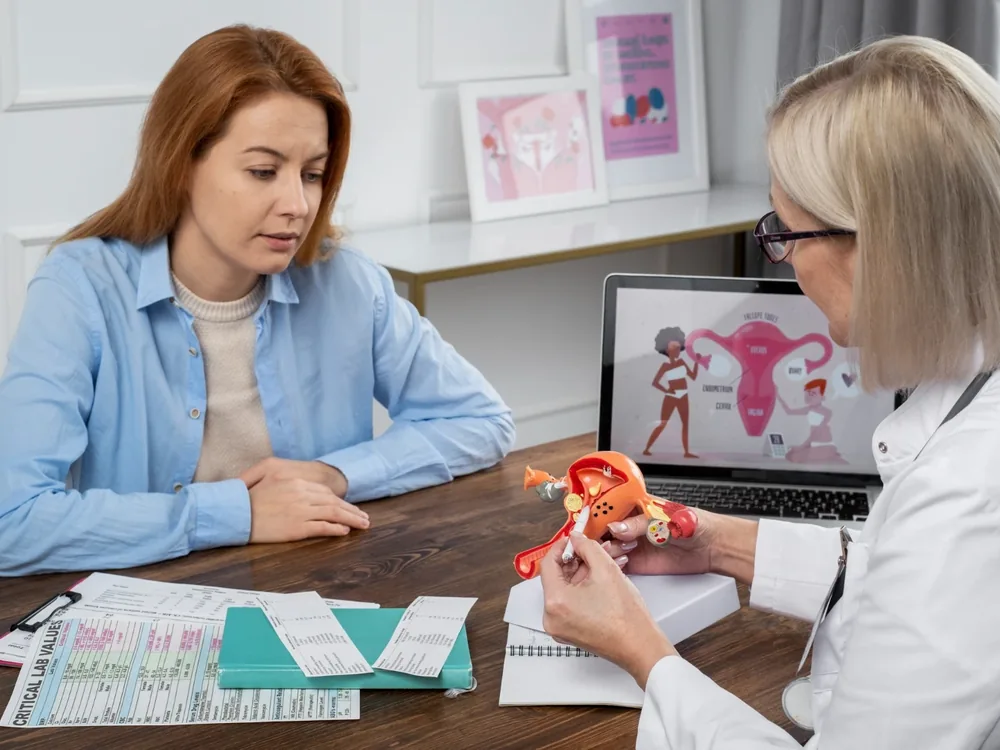
- Physician-founded and physician-led marketplace
- Verify each listed interventional radiologist's credentials and board certification
- The consultation price is shown before you book
- No referral needed to get a second opinion on your options
- Choose any listed interventional radiologist, with no network limits
- Book online in minutes
- HIPAA-compliant platform for sharing imaging reports
- Many interventional radiologists offer virtual consultations to review scans
Know when to get care
When should you see an interventional radiologist?
An interventional radiology consultation makes sense when you have a diagnosis, or a strong suspicion of one, and want to know whether a less invasive treatment could work for you.
Symptoms and findings that often lead to an IR consultation
- Heavy or long periods, pelvic pressure, or frequent urination from fibroids
- Aching, swollen legs with bulging varicose veins
- Lasting leg swelling or pain after a blood clot
- Cramping in the legs when walking from narrowed arteries
- A mass on a scan that needs a biopsy
- Pelvic pain or heaviness that worsens when standing, sometimes linked to enlarged pelvic veins
Situations where a consultation is worth it
- You were told hysterectomy or myomectomy is your only fibroid option and want to hear about embolization
- You want a minimally invasive option for an enlarged prostate or varicocele
- You have liver or kidney tumors and want to know about ablation or embolization
- You need a long-term port or catheter for treatment
- You prefer to avoid general anesthesia or a long recovery if a safe alternative exists
- You want a second opinion before agreeing to open surgery
Important: Call 911 or go to the emergency room for sudden shortness of breath, chest pain that is worse when you breathe in, coughing up blood, or a racing heartbeat, especially if you have a swollen or painful leg. These can be signs of a blood clot in the lungs and need emergency care, not an online booking [3].
Understand your options
How much does an interventional radiologist cost without insurance?
The cost of a self-pay interventional radiologist visit varies by physician, location, visit format, and the services you need. Apptly Health is designed to show the listed visit fee before you confirm a booking. Do not assume that tests, procedures, or follow-up services are included in that fee.
Questions to ask before booking
- Is this price for a new-patient visit or a follow-up?
- Is this fee for the consultation only? Image-guided procedures are usually priced separately.
- Will a virtual appointment be appropriate for my concern?
- Can the provider supply a Good Faith Estimate for scheduled self-pay care?
- Can I use eligible HSA or FSA funds for the visit?
For scheduled care, patients who are uninsured or choose not to use insurance generally have rights to a Good Faith Estimate under federal rules. Ask about additional services and expected charges in advance.
If you have Medicare or Medicaid: check with the physician's office before you book. Program rules limit when an enrolled physician can accept direct payment for covered services, so whether a self-pay visit is possible depends on the physician and the service.
Your path to care
How Apptly Health works
Getting a minimally invasive opinion should be simple.
-
Step 1
Search by city, ZIP code, or condition.
Find board-certified interventional radiologists near you or available by video.
-
Step 2
Compare specialists.
Review credentials, focus areas, languages, and open consultation times.
-
Step 3
See the price first.
The consultation fee is shown before you book.
-
Step 4
Book and talk through your options.
Appointment timing depends on real provider availability in your selected location.
Results, prices, and appointment availability depend on participating physicians in your area.
Expertise for your needs
Conditions interventional radiologists treat
Interventional radiology touches many parts of the body. These are among the most common reasons people seek an interventional radiologist.
Uterine fibroids
Uterine fibroid embolization (UFE) blocks the small arteries feeding fibroids so they shrink, while keeping the uterus in place. Most patients go home the same day and return to usual activities in about a week, compared with up to 8 weeks of recovery after hysterectomy [2].
Varicose veins and venous insufficiency
When leg vein valves fail, blood pools and causes aching, swelling, and skin changes. Interventional radiologists use ultrasound-guided laser or radiofrequency ablation and sclerotherapy to close the faulty vein so blood reroutes through healthy ones.
Deep vein thrombosis and blood clots
Most clots are treated with blood thinners. For larger or severe clots, interventional radiologists can deliver clot-dissolving medication through a catheter, remove the clot with a device, open narrowed veins with balloons and stents, or place a temporary filter to catch clots [3].
Peripheral artery disease
Nearly 10 million Americans age 40 and older have PAD [5]. When narrowed leg arteries cause pain or poor healing, interventional radiologists can open them with balloon angioplasty and stents [1].
Cancer care
Interventional radiologists perform needle biopsies, destroy tumors with heat or cold (ablation), and deliver chemotherapy or radiation beads directly to liver tumors through their blood supply. They work alongside your oncology team [1].
Pain and other conditions
Image-guided injections and procedures can help some types of back, joint, and tendon pain [1]. Interventional radiologists also treat enlarged prostate, varicoceles, kidney blockages, and bleeding with targeted procedures.
Know your options
Common interventional radiology procedures
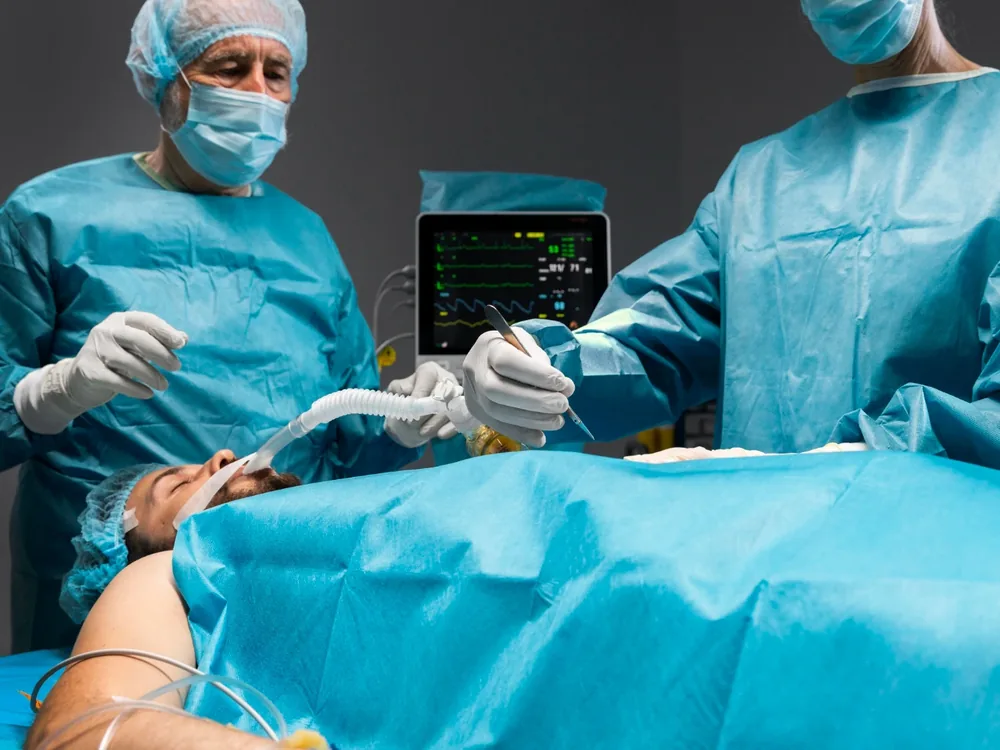
Most IR procedures share the same approach: a small puncture, live imaging to guide the way, and local numbing with light sedation instead of general anesthesia.
Embolization
Tiny particles or coils are placed through a catheter to block blood flow to a fibroid, tumor, enlarged prostate, or bleeding vessel.
Ablation
Heat, cold, or laser energy is delivered through a thin probe or fiber to close a faulty vein or destroy a small tumor.
Angioplasty and stenting
A small balloon widens a narrowed artery or vein, and a mesh tube called a stent may be left behind to keep it open.
Image-guided biopsy and drainage
A needle guided by CT or ultrasound takes a tissue sample or drains an abscess or fluid collection, often avoiding surgery.
Ports, lines, and filters
Interventional radiologists place long-term IV lines and ports for chemotherapy or nutrition, and insert and later remove vena cava filters.
Before your appointment
What to expect at your interventional radiology consultation
Your first visit is a consultation, not a procedure. It is your chance to understand options and ask questions.
Review of your history and imaging.
The interventional radiologist goes over your symptoms, prior treatments, medications, and any ultrasound, CT, or MRI results.
A focused exam.
Depending on your condition, this may include checking your legs, pulses, abdomen, or the area to be treated.
Options side by side.
You hear how an image-guided procedure compares with medication, surgery, or watching and waiting, including likely recovery and risks.
Next steps and pricing.
If a procedure makes sense, you learn what pre-procedure imaging or labs are needed, where it would be done, and the expected costs.
Bring copies of imaging reports, and the images themselves on a disc or portal link if you have them, along with recent lab results and a full medication list. Note any blood thinners, diabetes medicines, and allergies to contrast dye or iodine, since these affect planning.
Make an informed choice
How to choose the right interventional radiologist near you
Experience with your specific procedure matters as much as general training. Use this checklist when comparing interventional radiologists.
- Confirm board certification. You can verify any physician for free through the American Board of Medical Specialties [7]. Every interventional radiologist on Apptly Health is verified before listing.
- Ask how often they perform your procedure, such as fibroid embolization or vein ablation, and what results they typically see.
- Ask who manages your care after the procedure, including pain control and follow-up imaging.
- Check where procedures are done: a hospital, an outpatient center, or an office-based lab.
- Compare availability, including virtual consultations for reviewing scans.
- See the price before you book. Self-pay patients also have a federal right to a Good Faith Estimate of expected charges for scheduled care [8].
- Read the profile for languages spoken and areas of focus such as women's health, veins, or interventional oncology.
The evidence
The evidence: why image-guided options matter
These numbers come from federal health agencies and the Society of Interventional Radiology. They show how common these conditions are and why a less invasive option is worth asking about.
-
80%
of Black women in the U.S. will have fibroids by age 50
Fibroids will also affect 70% of white women by age 50 [2].
-
9 in 10
women see significant improvement after fibroid embolization
Typical recovery after UFE is 5 to 7 days, compared with up to 8 weeks after hysterectomy [2].
-
900,000
people may be affected by venous blood clots each year
An estimated 60,000 to 100,000 Americans die of these clots each year [4].
-
1 in 3 to 1 in 2
people with a DVT develop long-term leg symptoms
Post-thrombotic syndrome causes swelling, pain, discoloration, and scaling in the affected limb [4].
Go deeper
Recovery and questions to ask before a procedure
Image-guided procedures usually mean a shorter recovery than open surgery, but they are still real procedures. Going in with clear expectations helps.
Same-day or overnight?
Many IR procedures are outpatient. Fibroid embolization is generally same-day, though an overnight stay to manage symptoms is occasionally needed [2]. Ask what is typical for your procedure and arrange a ride home.
What will the first week feel like?
Soreness at the puncture site is common. After embolization, cramping and tiredness for several days are expected. Pain from most IR procedures is usually worst in the first few days.
Questions worth asking
Ask what success looks like for you, how likely the problem is to come back, what the main risks are, what happens if the procedure does not work, and whether it affects future options such as pregnancy or surgery.
Interventional radiologist or vascular surgeon?
Both treat blood vessels with catheter-based procedures. A vascular surgeon can also perform open operations such as bypass. An interventional radiologist focuses on image-guided treatment across many organs, including the uterus, liver, and kidneys. For fibroids and tumors, start with IR. For complex artery disease, either can be a good first visit.
Direct access compared
A more direct path to minimally invasive care
| Consideration | Apptly Health | Traditional route |
|---|---|---|
| Referral | Not required for a consultation | Usually needed from another doctor |
| Hearing about IR options | Book an IR consultation yourself | Depends on whether someone mentions them |
| Price | Consultation price shown before you book | Often unclear until the bill arrives |
| Choice of specialist | Any listed interventional radiologist | Limited to your network |
| Visit type | In person or virtual | Mostly in person |
Related care
Related specialists you can book
Interventional radiologists often work as part of a team. These Apptly Health specialists commonly partner with them.
Helpful answers
Interventional radiology questions people ask most
Do I need a referral to see an interventional radiologist?
Not for a consultation on Apptly Health. You can book a board-certified interventional radiologist directly to discuss your options. Some procedures need recent imaging or lab work first, and your interventional radiologist will tell you what is required. If you plan to use insurance for a procedure, check whether your plan requires a referral or prior approval.
How much does an interventional radiology consultation cost without insurance?
Each interventional radiologist sets their own consultation price, and it is shown on their Apptly Health profile before you book. Procedures, imaging, and facility fees are priced separately. As a self-pay patient you can request a Good Faith Estimate for scheduled services under the No Surprises Act.
Does Apptly Health bill my insurance?
No. Apptly Health is a direct-pay platform. You pay the interventional radiologist's listed fee directly, and Apptly Health does not submit claims to your insurance. Some plans reimburse out-of-network care, so check with your insurer if you plan to request reimbursement.
Can I book an interventional radiologist on Apptly Health if I have Medicare or Medicaid?
Check with the physician's office before you book. Medicare and Medicaid have rules that limit when an enrolled physician can accept direct payment for covered services, so whether a self-pay visit is possible depends on the physician and the service you need.
Can I have a virtual consultation?
Yes. Many interventional radiologists offer video consultations, which work well for reviewing your imaging, explaining options, and answering questions about recovery. If a procedure is planned, you will have an in-person assessment beforehand, and the procedure itself is always done in person.
What is the difference between an interventional radiologist and a vascular surgeon?
Both treat blood vessel problems with minimally invasive catheter procedures. A vascular surgeon can also perform open operations like bypass and aneurysm repair. An interventional radiologist specializes in image-guided procedures across the body, including fibroid embolization, tumor ablation, biopsies, and drainage, but does not perform open surgery.
Is uterine fibroid embolization right for me?
It may be if you have symptoms such as heavy bleeding or pelvic pressure from fibroids and want to keep your uterus or avoid major surgery. Your size, number, and location of fibroids, and whether you hope to become pregnant, all matter. An interventional radiologist and your gynecologist can help you weigh UFE against medication and surgery.
How do I know if an interventional radiologist is board-certified?
Every interventional radiologist on Apptly Health is verified as board-certified before their profile goes live. You can also confirm any physician's certification for free through the American Board of Medical Specialties. Interventional radiologists are certified by the American Board of Radiology.
What should I bring to my IR consultation?
Bring imaging reports and the images themselves if possible, recent blood work, a full medication list including blood thinners and diabetes medicines, and any history of reactions to contrast dye. A short list of questions about recovery, risks, and alternatives will help you get the most from the visit.
Will I be awake during an interventional radiology procedure?
Usually you are given local numbing and moderate sedation, so you are relaxed and comfortable but not under general anesthesia. Some procedures use deeper sedation or general anesthesia. Your interventional radiologist will explain what to expect and any fasting rules before the day.
When is a blood clot an emergency?
Call 911 for sudden shortness of breath, chest pain that worsens with breathing, coughing up blood, or a racing heartbeat. These may signal a clot in the lungs. New one-sided leg swelling, pain, or warmth also needs prompt medical attention the same day, through your doctor, urgent care, or the emergency room.
Can I use HSA or FSA funds for interventional radiology?
In many cases, yes. Consultations and procedures for diagnosis or treatment are generally qualified medical expenses for HSA and FSA accounts. Vein treatment done only for appearance may not qualify. Confirm with your plan administrator before you book, and ask your provider for an itemized receipt.
More questions about booking, payments, or your account? Visit the Apptly Health FAQ page.

For physicians
Are you an interventional radiologist?
Meet patients directly who are looking for minimally invasive options instead of waiting to be referred. Set your own consultation schedule and price, offer virtual imaging reviews, and grow a clinic-based practice.
Apply to Join the NetworkMedical review and references
Medically reviewed by Dr. Paula Muto
Board-certified vascular surgeon and founder of Apptly Health
This page is for general information and does not replace a consultation with a qualified physician. If you think you are having a medical emergency, call 911. If you are in emotional crisis, call or text 988.