Addiction Medicine · Direct-Pay Specialist Care
Find a Board-Certified Addiction Specialist Near You
Search addiction medicine doctors in your area, see the visit price before you book, and start a private, judgment-free conversation about alcohol, opioids, or other substances. No referral needed.
Enter your ZIP code to see addiction specialists near you, with prices and open times.
- Board-certified physicians
- No referral required
- Price shown before you book
- Private video visits available
The direct answer
What does an addiction specialist do?
An addiction specialist is a physician trained to diagnose and treat substance use disorders involving alcohol, opioids, stimulants, cannabis, nicotine, and other drugs. They manage withdrawal safely, prescribe proven medications such as buprenorphine or naltrexone when appropriate, treat related health problems, and connect patients with counseling and recovery support. On Apptly Health you can book one directly, without a referral.
Key facts at a glance
An estimated 48.4 million people age 12 and older in the U.S., 16.8% of that population, had a substance use disorder in 2024 [1].
About 52.6 million people needed substance use treatment in 2024, but only about 10.2 million received it [1].
U.S. overdose deaths fell 26.9% in 2024 to an estimated 80,391, yet opioids were still involved in an estimated 54,743 deaths [2].
Apptly Health lets you book a board-certified physician for addiction care directly, with the price shown before you confirm.
Addiction Specialists you can book now
Addiction Specialists near 07102
Current provider listings are checked when you open this page.
- Checking current provider listings, visit fees and appointment options…
Physician listings, available appointments and visit fees are refreshed when you search. Availability and the final fee are confirmed on the booking page.
Provider availability, prices and appointment times are checked live. Confirm exact visit details when booking.
Why Apptly is different
Addiction care without the gatekeeping
The moment someone decides to get help can be short. A referral, a waitlist, or a confusing bill can close that window. Apptly Health lets you go straight to a physician who treats addiction, at a price you see up front.
See how it works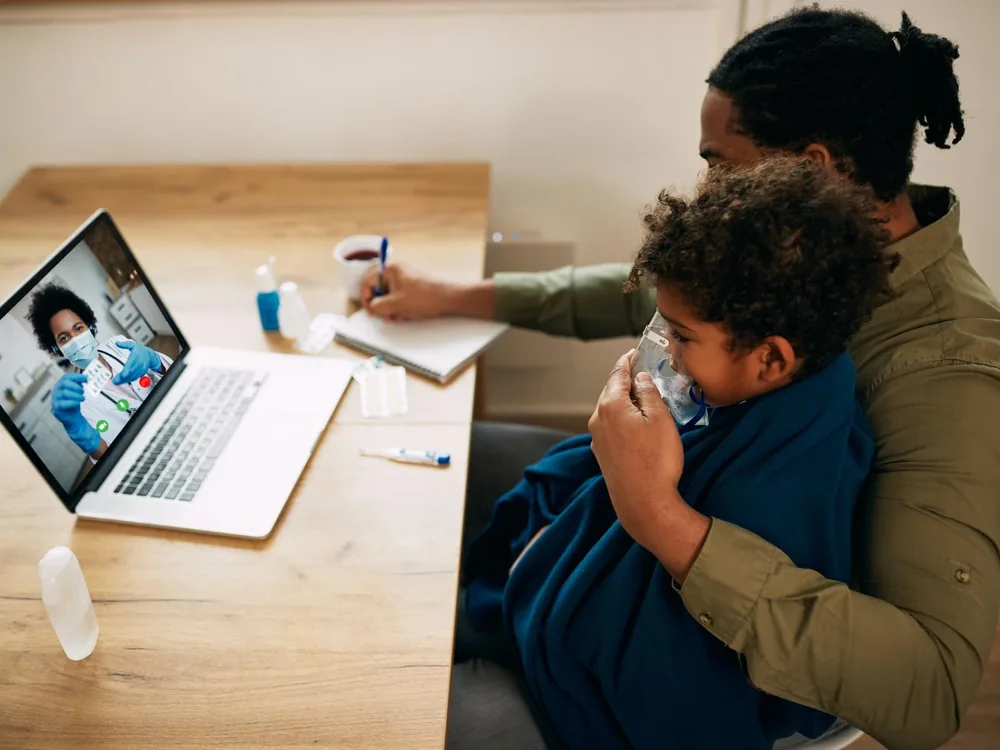
- Physician-founded and physician-led marketplace
- Verify each listed addiction specialist's credentials and board certification
- Price shown before you book
- No referral needed from another doctor
- Choose any listed addiction specialist, with no network limits
- Book online in minutes, including evenings in many areas
- HIPAA-compliant platform that keeps your visit private
- Many specialists offer video visits from home
Know when to get care
When should you see an addiction specialist?
You do not have to hit rock bottom to deserve care. Addiction is a treatable medical condition, and earlier treatment is usually easier. Consider booking if any of these sound familiar, for yourself or someone close to you.
Signs substance use has become a problem
- Using more, or for longer, than you meant to
- Trying to cut back or quit and not being able to
- Strong cravings or spending a lot of time getting, using, or recovering
- Needing more to feel the same effect, or feeling sick when you stop
- Missing work, school, or family duties because of use
- Continuing to use even after health, legal, or relationship problems
Situations where a specialist makes the biggest difference
- You drink heavily every day and want to stop, which can be dangerous without medical help
- You use opioids, including pain pills or fentanyl, and want to explore medication treatment
- You have had an overdose, or someone has used naloxone on you
- You were prescribed opioids or sedatives for pain or anxiety and now worry about dependence
- You have depression, anxiety, or chronic pain alongside substance use
- You are pregnant or planning a pregnancy and use alcohol, opioids, or other drugs
Important: Call 911 right away if someone is unresponsive, breathing very slowly or not at all, or has blue or gray lips after using drugs. Give naloxone if you have it and stay with them. Seizures, confusion, or hallucinations during alcohol or sedative withdrawal are also emergencies. If you or someone you love is thinking about suicide, call or text 988. For free, confidential treatment referrals 24/7, call the SAMHSA National Helpline at 1-800-662-4357 [6].
Understand your options
How much does an addiction specialist cost without insurance?
The cost of a self-pay addiction specialist visit varies by physician, location, visit format, and the services you need. Apptly Health is designed to show the listed visit fee before you confirm a booking. Do not assume that tests, procedures, or follow-up services are included in that fee.
Questions to ask before booking
- Is this price for a new-patient visit or a follow-up?
- Does the visit include lab or drug testing, or are those billed separately?
- Will a virtual appointment be appropriate for my concern?
- Can the provider supply a Good Faith Estimate for scheduled self-pay care?
- Can I use eligible HSA or FSA funds for the visit?
For scheduled care, patients who are uninsured or choose not to use insurance generally have rights to a Good Faith Estimate under federal rules. Ask about additional services and expected charges in advance.
If you have Medicare or Medicaid: check with the physician's office before you book. Program rules limit when an enrolled physician can accept direct payment for covered services, so whether a self-pay visit is possible depends on the physician and the service.
Your path to care
How Apptly Health works
Getting help should feel private and simple.
-
Step 1
Search by city, ZIP code, or concern.
Find board-certified addiction specialists near you or available by private video.
-
Step 2
Choose your specialist.
Compare profiles, treatment focus, languages, and open times.
-
Step 3
See the price before you book.
One clear visit fee up front, with no claims paperwork.
-
Step 4
Book online and be seen.
Appointment timing depends on real provider availability in your selected location.
Results, prices, and appointment availability depend on participating physicians in your area.
Expertise for your needs
Conditions an addiction specialist treats
Addiction medicine covers every substance and the health problems that come with them.
Alcohol use disorder
Excessive alcohol use caused an average of 178,307 U.S. deaths a year in 2020 and 2021, up 29.3% from 2016 and 2017 [3]. An addiction specialist can plan a safe withdrawal, discuss medications that reduce cravings or heavy drinking, and check the liver, heart, and other organs alcohol affects.
Opioid use disorder
About 4.8 million people age 12 and older had an opioid use disorder in 2024 [1]. Whether the problem started with prescription pain pills, heroin, or fentanyl, medication treatment is the standard of care, and an addiction specialist can start it in the office or by video when rules allow.
Stimulant use
Cocaine and methamphetamine can strain the heart and mind. There is no approved medication yet for stimulant use disorder, so care focuses on proven behavioral therapies, treating sleep and mood problems, and checking heart health.
Cannabis, sedatives, and nicotine
Daily cannabis use that is hard to control, dependence on benzodiazepines or sleep pills, and tobacco or vaping addiction are all treatable. Sedatives should be tapered under a doctor's care, because stopping suddenly can cause seizures.
Co-occurring mental health conditions
Depression, anxiety, PTSD, and ADHD often travel with substance use. An addiction specialist screens for them and works with a psychiatrist so both conditions are treated together, which tends to work better than treating one at a time.
Know your options
Treatment options and levels of care
Good addiction care is matched to the person. Your specialist will recommend options based on the substance, your health, your goals, and your home situation. These are options your physician decides on with you, not a one-size plan.
Medications for opioid use disorder
Buprenorphine, methadone, and naltrexone are the three FDA-approved options. They reduce cravings and withdrawal and lower the risk of dying from an overdose. In one NIH-funded study of more than 17,000 adults who survived an overdose, those on methadone were 59% less likely and those on buprenorphine 38% less likely to die of an opioid overdose [4]. Methadone for addiction is given only through licensed treatment programs.
Medications for alcohol use disorder
Several prescription medicines can reduce cravings or heavy drinking days. Your specialist will choose based on your liver and kidney health, other medicines, and whether your goal is to quit or cut back.
Medically managed withdrawal
Stopping alcohol, opioids, or sedatives can make you very sick. Many people can withdraw safely at home with close follow-up. Others need inpatient care, especially with a history of seizures or severe withdrawal. Your specialist will tell you which applies.
Counseling and recovery support
Behavioral therapies such as cognitive behavioral therapy and motivational interviewing help build skills to handle cravings and stress. Many people also find mutual-help groups useful. Your specialist can connect you with counseling that fits your schedule.
Outpatient, intensive, and residential programs
Most people start with regular office or video visits. If you need more structure, your specialist can help you find intensive outpatient, partial hospitalization, or residential programs and stay involved in your care afterward.
Before your appointment
What to expect at your first addiction medicine visit
Your first visit is private and judgment-free. The goal is to understand your situation and agree on a safe first step, not to lecture you.
An honest conversation.
Your specialist asks what you use, how much, how often, and what you want to change. Honest answers help them keep you safe, and what you share is protected health information.
Health check.
Expect questions about physical and mental health, past treatment, and any overdoses or withdrawal problems. Blood work, a urine drug test, or a check of liver health may be ordered.
Safety planning.
If you use opioids, your specialist will talk about naloxone and overdose risk. If you drink heavily, they will explain whether it is safe to stop at home.
A plan you agree to.
You leave with options, which may include starting medication, counseling, or a referral to a more intensive program, plus the price of follow-up visits.
Bring a list of every medication you take, including prescriptions for pain, anxiety, or sleep, and records of any past treatment. If you have had withdrawal seizures or an overdose, say so. It can help to bring a trusted support person. For a video visit, choose a private space.
Make an informed choice
How to choose the right addiction specialist near you
Look for medical training in addiction, a treatment approach that matches your goals, and someone you feel comfortable being honest with.
- Confirm board certification. Addiction medicine became a recognized subspecialty in 2015, open to physicians certified by any ABMS member board [5]. You can check any physician for free through the American Board of Medical Specialties [7]. Every specialist on Apptly Health is verified before listing.
- Ask which medications they prescribe, such as buprenorphine or naltrexone, if medication treatment matters to you.
- Ask how they handle withdrawal and when they would recommend a higher level of care.
- Check whether they also treat depression, anxiety, or chronic pain, or work closely with a psychiatrist who does.
- Look at the price before you book. Self-pay patients have a federal right to a Good Faith Estimate of expected charges for scheduled care [8].
- Check availability for follow-ups, since early weeks of treatment often need frequent visits.
The evidence
The evidence: why addiction treatment matters
Substance use disorders are common and serious, and the gap between people who need care and people who get it is wide. These figures come from federal health agencies.
-
48.4 million
people age 12 and older had a substance use disorder in 2024
That is 16.8% of people age 12 and older in the U.S. [1].
-
80,391
estimated U.S. overdose deaths in 2024
Down 26.9% from an estimated 110,037 in 2023, according to provisional CDC data [2].
-
178,307
deaths a year from excessive alcohol use
Average annual deaths in 2020 and 2021, a 29.3% increase from 2016 and 2017 [3].
-
59%
lower risk of opioid overdose death on methadone
Among more than 17,000 overdose survivors; buprenorphine was linked to a 38% lower risk [4].
Go deeper
If you are worried about someone you love
Family members often search for help first. You cannot force someone into recovery, but you can make it easier to say yes.

Start with care, not confrontation
Choose a calm, sober moment. Say what you have noticed and how it worries you, using "I" statements. Avoid labels and ultimatums in the first conversation. Offering to help book an appointment, or to sit in on a video visit, can lower the barrier.
Keep naloxone on hand
If someone you love uses opioids or any drug that could contain fentanyl, keep naloxone nasal spray at home and learn how to use it. It is available without a prescription in most pharmacies and can reverse an opioid overdose while you wait for help.
Get support for yourself
Living with a loved one's addiction is exhausting. Family support groups, counseling, and the SAMHSA National Helpline at 1-800-662-4357 can help you find resources for yourself as well as for them [6].
Direct access compared
A faster, more private path to addiction care
| Consideration | Apptly Health | Traditional route |
|---|---|---|
| Referral | Not required | Often required by your plan |
| Finding an opening | Open times shown online | Calling programs to ask about waitlists |
| Price | Shown before you book | Known after the claim is processed |
| Choice of physician | Any listed specialist | Limited to your network |
| Visit type | In person or private video | Mostly in person |
Related care
Related specialists you can book
Addiction often overlaps with mental health and chronic pain. These specialists frequently work alongside addiction medicine physicians.
Helpful answers
Frequently asked questions about seeing an addiction specialist
Do I need a referral to see an addiction specialist?
Not on Apptly Health. You can book a board-certified physician who treats addiction directly, without a referral. If you plan to use insurance for other parts of your care, check your plan, since some require referrals or prior approval for specialist visits or treatment programs.
How much does addiction treatment cost without insurance?
Each specialist sets their own visit fee, shown on their Apptly Health profile before you book. Medications, lab tests, and programs such as intensive outpatient or residential care are priced separately. As a self-pay patient you are entitled to a Good Faith Estimate for scheduled services under the No Surprises Act.
Does Apptly Health bill my insurance?
No. Apptly Health is a direct-pay platform. You pay the addiction specialist's listed fee directly, and Apptly Health does not submit claims to your insurance. Some plans reimburse out-of-network care, so check with your insurer if you plan to request reimbursement.
Can I book an addiction specialist on Apptly Health if I have Medicare or Medicaid?
Check with the physician's office before you book. Medicare and Medicaid have rules that limit when an enrolled physician can accept direct payment for covered services, so whether a self-pay visit is possible depends on the physician and the service you need.
What is the difference between an addiction specialist and a psychiatrist?
An addiction specialist focuses on substance use disorders, including withdrawal, medications such as buprenorphine and naltrexone, and the physical health effects of alcohol and drugs. A psychiatrist treats the full range of mental health conditions. Some psychiatrists are also certified in addiction psychiatry. If you have both substance use and depression or anxiety, the two often work together.
Can I get addiction treatment through video visits?
Often, yes. Many addiction specialists on Apptly Health offer private video visits for evaluations, counseling, and follow-ups. Prescribing certain medications by video depends on current federal and state rules, and some situations, like severe withdrawal or methadone treatment, need in-person care. Your specialist will explain what applies to you.
Is it safe to stop drinking on my own?
Not always. If you drink heavily every day, stopping suddenly can cause dangerous withdrawal, including seizures. Talk with an addiction specialist before you quit so they can decide whether you can withdraw safely at home with medication and follow-up or need supervised care. If you have seizures, confusion, or hallucinations, call 911.
Will my visit be kept private?
Yes. Apptly Health is a HIPAA-compliant platform, and records of substance use treatment have additional federal privacy protections. Your specialist can explain who may see your information and when. Booking directly as a self-pay patient also means no insurance claim is filed for the visit unless you choose to submit one.
How do I know if an addiction specialist is board-certified?
Every physician on Apptly Health is verified as board-certified before their profile goes live. You can also confirm any physician's certification for free through the American Board of Medical Specialties. Look for certification in addiction medicine or addiction psychiatry on top of a primary specialty.
What should I bring to my first appointment?
Bring a list of all medications, especially any for pain, anxiety, or sleep, records of past treatment, and recent lab results if you have them. Be ready to talk honestly about what you use and how often. Bringing a trusted support person is welcome if it helps.
What should I do in an emergency or crisis?
Call 911 for an overdose, seizures, or anyone who is unresponsive or not breathing normally, and give naloxone if you have it. If you are thinking about suicide, call or text 988. For free, confidential treatment referrals any time, call the SAMHSA National Helpline at 1-800-662-4357.
Can I use HSA or FSA funds for addiction treatment?
In many cases, yes. Physician visits and medical treatment for substance use disorders are generally qualified medical expenses under HSA and FSA rules. Confirm with your plan administrator before you book, especially for residential programs, and keep your receipt for your records.
More questions about booking, payments, or your account? Visit the Apptly Health FAQ page.
For physicians
Are you an addiction specialist?
Reach patients and families who are ready to start treatment, set your own schedule and fees, offer in-person or video care, and spend less time on administration.
Apply to Join the NetworkMedical review and references
Medically reviewed by Dr. Paula Muto
Board-certified vascular surgeon and founder of Apptly Health
This page is for general information and does not replace a consultation with a qualified physician. If you think you are having a medical emergency, call 911. If you are in emotional crisis, call or text 988.