Cardiology · Direct-Pay Specialist Care
Find a Board-Certified Cardiologist Near You
Find a heart doctor near you, review physician profiles, and check listed visit prices and appointment options before booking. No referral is required to book through Apptly Health.
Enter your ZIP code to see cardiologists near you, with prices and open times.
- Board-certified cardiologists
- No referral required
- Price shown before you book
- In-person and virtual visits
The direct answer
What does a cardiologist do?
A cardiologist is a physician who diagnoses, treats, and helps prevent diseases of the heart and blood vessels, including high blood pressure, high cholesterol, chest pain, irregular heartbeats, and heart failure. Cardiologists complete internal medicine residency plus at least three years of cardiovascular fellowship before board certification. You can book one directly on Apptly Health without a referral.
Key facts at a glance
Heart disease is the leading cause of death in the United States. Cardiovascular disease caused 919,032 deaths in 2023, about 1 in 3 deaths [1].
Nearly half of U.S. adults (48.1%) have high blood pressure, and only about 1 in 4 of them has it under control [2].
Across 15 large U.S. metros, the average wait for a new cardiology appointment was 32.7 days in 2025, up from 26.6 days in 2022 [3].
Apptly Health lets you book a board-certified cardiologist directly, with the price shown before you confirm.
Cardiologists you can book now
Cardiologists near 07102
Current provider listings are checked when you open this page.
- Checking current provider listings, visit fees and appointment options…
Physician listings, available appointments and visit fees are refreshed when you search. Availability and the final fee are confirmed on the booking page.
Provider availability, prices and appointment times are checked live. Confirm exact visit details when booking.
Why Apptly is different
Heart care without the gatekeeping
Your heart should not wait on a referral form. Apptly Health connects you directly with board-certified cardiologists who set their own schedules and publish their own prices, so you can move from worry to answers faster.
See how it works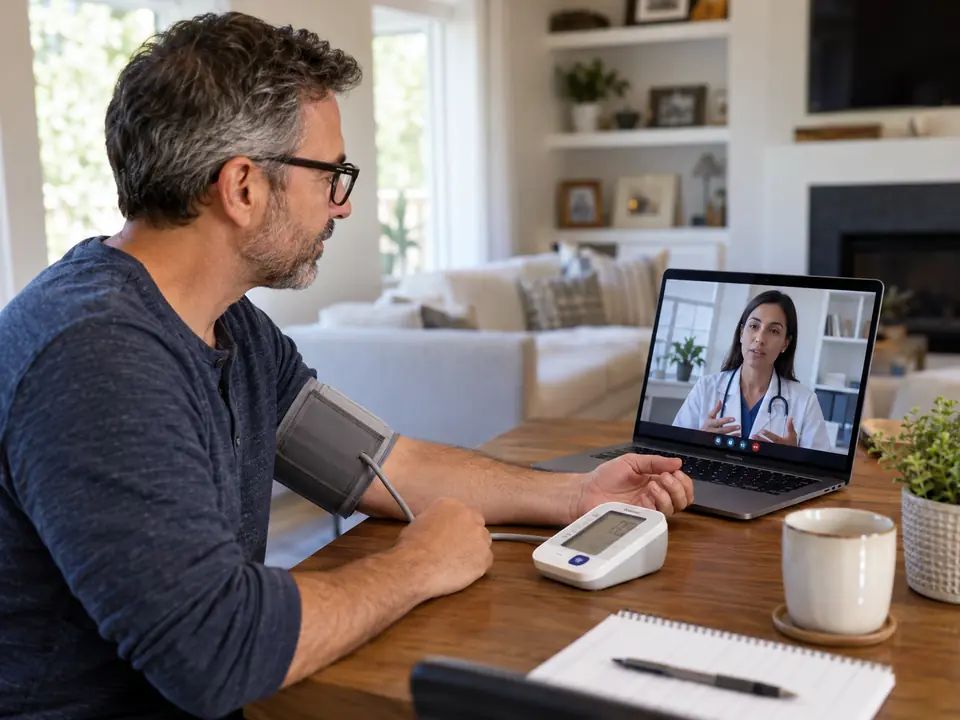
- Physician-founded and physician-led marketplace
- Verify each listed physician's credentials and board certification
- Transparent price shown before you book
- Choose any listed cardiologist, with no network limits
- No referral requirement
- Book online in minutes
- HIPAA-compliant platform
- In-person and virtual cardiology visits
Know when to get care
When should you see a cardiologist?
Many people wait until a symptom becomes frightening. Cardiologists would much rather see you earlier. Consider booking a cardiology visit if any of the following apply to you.
Symptoms worth a cardiology evaluation
- Chest pain, pressure, or tightness during activity that eases with rest
- Shortness of breath that is new or out of proportion to effort
- A racing, pounding, fluttering, or skipping heartbeat (palpitations)
- Dizziness, lightheadedness, or fainting episodes
- Swelling in the ankles, feet, or legs
- Unusual fatigue that limits normal activity
Risk factors that justify a check-up, even without symptoms
- High blood pressure that is not controlled on current treatment
- High LDL cholesterol or a strong family history of early heart disease
- Type 2 diabetes, chronic kidney disease, or a history of smoking
- Pregnancy complications such as preeclampsia or gestational diabetes
- Planning to start a strenuous exercise program after age 40
- An abnormal ECG or other result flagged during a routine physical
Emergency symptoms: Call 911 now if you have chest pain or discomfort lasting more than a few minutes, pain spreading to the arm, back, neck, or jaw, sudden shortness of breath, cold sweat, nausea, or lightheadedness. These are warning signs of a heart attack and need emergency care, not an online booking [4].
Understand your options
How much does a cardiologist cost without insurance?
The cost of a self-pay cardiologist visit varies by physician, location, visit format, and the services you need. Apptly Health is designed to show the physician's listed visit fee before you confirm a booking. Do not assume that tests, imaging, procedures, or follow-up services are included in that fee.
Questions to ask before booking
- Is this price for a new-patient consultation or follow-up?
- Does the visit include an ECG, or will testing be billed separately?
- Will a virtual appointment be appropriate for my concern?
- Can the provider supply a Good Faith Estimate for scheduled self-pay care?
- Can I use eligible HSA or FSA funds for the visit?
For scheduled care, patients who are uninsured or choose not to use insurance generally have rights to a Good Faith Estimate under federal rules. Ask about additional services and expected charges in advance.
If you have Medicare or Medicaid: check with the physician's office before you book. Program rules limit when an enrolled physician can accept direct payment for covered services, so whether a self-pay visit is possible depends on the physician and the service.
Your path to care
How Apptly Health works
Getting specialist heart care should be simple.
-
Step 1
Search by city, ZIP code, or symptom.
Find board-certified cardiologists near you or available by video.
-
Step 2
Choose your cardiologist.
Compare profiles, credentials, languages, and open times.
-
Step 3
See the price before you book.
Review the listed visit fee and confirm whether tests or other services are charged separately.
-
Step 4
Book online and be seen.
Appointment timing depends on real provider availability in your selected location.
Results, prices, and appointment availability depend on participating physicians in your area.
Find the right specialist
Types of cardiologists and which one you need
Cardiology has several subspecialties. Starting with the right one saves time and repeat visits.
General or clinical cardiologist
The right first stop for most people. General cardiologists evaluate symptoms, manage blood pressure and cholesterol, interpret testing, and coordinate with other specialists when needed.
Electrophysiologist
A heart rhythm specialist. See one for atrial fibrillation that is hard to control, recurrent fainting, or when ablation, a pacemaker, or a defibrillator is being considered.
Interventional cardiologist
Performs catheter-based procedures such as angiograms and stents to open narrowed arteries. Most patients reach one after a general cardiology evaluation.
Preventive cardiologist
Focuses on lowering lifetime risk through lipid management, blood pressure control, nutrition, and exercise planning. A strong fit if you have a family history but no symptoms yet.
Heart failure and cardio-oncology specialists
Care for people with weakened heart muscle, and for cancer patients whose treatments can affect the heart.
Expertise for your needs
Conditions a cardiologist treats
Cardiology covers far more than heart attacks. The specialists on Apptly Health manage the full range of cardiovascular conditions, from prevention through long-term care.
Blood pressure and cholesterol
Hypertension and abnormal cholesterol quietly damage arteries for years before symptoms appear. A cardiologist can confirm the diagnosis, look for causes, adjust medications that are not working, and set targets based on your overall risk rather than a single number.
Coronary artery disease and chest pain
About 1 in 20 adults age 20 and older has coronary artery disease [1]. Cardiologists evaluate chest pain, order stress testing or coronary imaging when appropriate, and build plans that combine medication, lifestyle change, and procedures if needed.
Heart rhythm disorders
Atrial fibrillation, supraventricular tachycardia, and frequent extra beats are common and very treatable. A cardiologist can arrange ambulatory monitoring, discuss stroke prevention, and refer to an electrophysiologist when ablation or a device is the better option.
Heart failure and cardiomyopathy
When the heart muscle weakens or stiffens, guideline-directed medications can improve symptoms and survival. Regular follow-up with a cardiologist helps keep fluid, blood pressure, and kidney function in balance.
Valve disease and murmurs
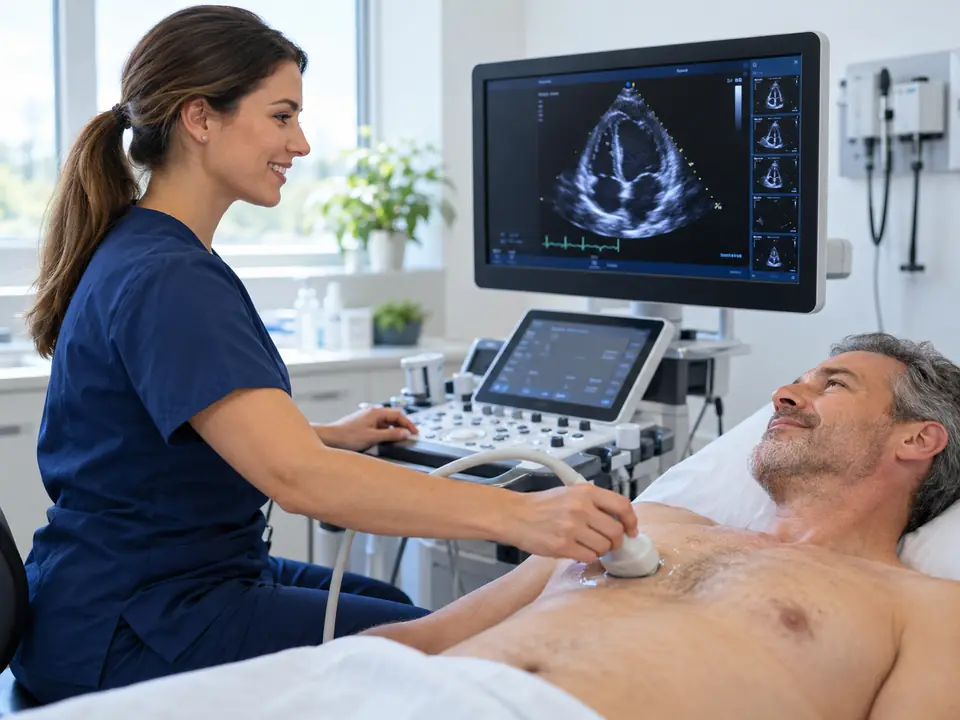
A new murmur often warrants an echocardiogram. Cardiologists track valve narrowing or leakage over time and advise on the right timing for repair or replacement.
Preventive and sports cardiology
For people with a family history, a high-pressure job, or athletic goals, a preventive visit can include risk scoring, advanced lipid testing, and exercise guidance tailored to your heart.
Before your appointment
What to expect at your first cardiology visit
Knowing what happens in the room makes it easier to book. Most first visits follow a predictable flow.
History and goals.
Your cardiologist reviews your symptoms, medications, family history, and what you want from the visit.
Physical exam.
Expect blood pressure in both arms, listening to the heart and lungs, and a check for swelling or circulation problems.
Baseline testing.
An in-office ECG is common. Your cardiologist may also order an echocardiogram, a stress test, a wearable rhythm monitor, or blood work.
A clear plan.
You leave with a diagnosis or working diagnosis, next steps, and pricing for any follow-up services discussed.
Bring a list of current medications, any recent lab or ECG results, and readings from a home blood pressure cuff or smartwatch if you have them. For a virtual visit, have your cuff nearby so your cardiologist can watch you take a reading.
Make an informed choice
How to choose the right cardiologist near you
The best cardiologist for you is the one with the right training for your problem, a schedule that matches yours, and a communication style you trust. Use this checklist.
- Confirm board certification. You can verify any physician for free through the American Board of Medical Specialties [5]. Check the physician's listed credentials and verify certification independently.
- Match the subspecialty to your need: general cardiology, electrophysiology for rhythm problems, interventional cardiology for blockages, or heart failure and imaging specialists.
- Check hospital affiliations in case you need a procedure later.
- Compare availability, including evening, weekend, and virtual options.
- Look at the price before you book. Self-pay patients also have a federal right to a Good Faith Estimate of expected charges for scheduled care [6].
- Read the physician's profile for languages spoken, clinical interests, and approach to shared decision-making.
The evidence
The evidence: why timely heart care matters
Cardiovascular disease is common, costly, and often silent. The numbers below come from federal health agencies and national surveys.
-
1 in 3
U.S. deaths are caused by cardiovascular disease
919,032 people died from cardiovascular disease in 2023, and one person dies every 34 seconds [1].
-
48.1%
of U.S. adults have high blood pressure
Only about 1 in 4 adults with hypertension has it under control [2].
-
805,000
heart attacks happen in the U.S. each year
About 1 in 5 heart attacks is silent, meaning damage occurs without the person knowing [1].
-
32.7 days
average wait for a new cardiology appointment
Measured across 15 large U.S. metro areas in 2025, up from 26.6 days in 2022 and 18.8 days in 2004 [3].
Across your lifespan
Heart health across your life
Cardiovascular risk changes with age, and so does the right kind of check-in.
Ages 20 to 39
Know your numbers
Get blood pressure and cholesterol checked, especially with a family history of early heart disease. A cardiology visit makes sense for palpitations, fainting, or pregnancy-related blood pressure problems.
Ages 40 to 64
Prevent the first event
This is when risk scoring pays off. A cardiologist can refine your risk with imaging such as a coronary calcium score when results would change treatment, and help you hit blood pressure and LDL targets.
Ages 65 and older
Manage and protect
Atrial fibrillation, valve disease, and heart failure become more common. Regular cardiology follow-up helps balance multiple medications and keep you active and independent.
Direct access compared
A simpler path to a heart specialist
| Consideration | Apptly Health | Traditional route |
|---|---|---|
| Referral | Not required | Usually required by your plan |
| Typical wait | Varies by live provider availability | 32.7 days on average in a 2025 survey of 15 large metros [3] |
| Price | Listed visit fee shown before you book | Known after the claim is processed |
| Choice of cardiologist | Any listed cardiologist | Limited to your network |
| Visit type | In person or virtual | Mostly in person |
Related care
Related specialists you can book
Heart problems often overlap with other conditions. These Apptly Health specialists frequently work alongside cardiologists.
Helpful answers
Frequently asked questions about seeing a cardiologist
Do I need a referral to see a cardiologist?
Not on Apptly Health. You can book a board-certified cardiologist directly without a referral from a primary care physician. If you plan to use insurance elsewhere, check your plan, because many HMO plans require a referral for in-network specialist visits.
How much does a cardiologist visit cost without insurance?
Prices are set by each cardiologist and shown on their Apptly Health profile before you book, so you know the visit fee up front. Tests such as an echocardiogram or stress test are priced separately. As a self-pay patient you are also entitled to a Good Faith Estimate for scheduled services under the No Surprises Act.
Does Apptly Health bill my insurance?
No. Apptly Health is a direct-pay platform. You pay the cardiologist's listed fee directly, and Apptly Health does not submit claims to your insurance. Some plans reimburse out-of-network care, so check with your insurer if you plan to request reimbursement.
Can I book a cardiologist on Apptly Health if I have Medicare or Medicaid?
Check with the physician's office before you book. Medicare and Medicaid have rules that limit when an enrolled physician can accept direct payment for covered services, so whether a self-pay visit is possible depends on the physician and the service you need.
When should I see a cardiologist instead of my primary care doctor?
See a cardiologist for chest discomfort with exertion, palpitations, fainting, unexplained shortness of breath, leg swelling, blood pressure that stays high despite treatment, or a strong family history of early heart disease. Your primary care physician remains valuable for overall coordination.
Can I see a cardiologist virtually?
Yes. Many cardiologists on Apptly Health offer video visits, which work well for follow-ups, reviewing test results, medication adjustments, and blood pressure management. A new evaluation may need an in-person exam or ECG, and your cardiologist will tell you if so.
What tests does a cardiologist usually order?
Common tests include an electrocardiogram (ECG), echocardiogram, exercise or stress testing, wearable rhythm monitors, cholesterol and blood sugar panels, and sometimes coronary CT imaging. Your cardiologist orders only what will change your care.
How do I know if a cardiologist is board-certified?
Every cardiologist listed on Apptly Health is verified as board-certified before their profile goes live. You can also confirm any physician's certification for free through the American Board of Medical Specialties Certification Matters tool.
What is the difference between a cardiologist and a cardiac surgeon?
A cardiologist diagnoses and treats heart disease with medication, testing, and minimally invasive procedures such as stents. A cardiothoracic surgeon performs open operations such as bypass surgery and many valve replacements. Most people start with a cardiologist.
What should I bring to my first cardiology appointment?
Bring a list of medications and doses, recent lab work or ECGs, home blood pressure readings, smartwatch rhythm alerts if you have them, and a short list of questions. Note when symptoms happen and what makes them better or worse.
Is chest pain an emergency?
It can be. Chest pain lasting more than a few minutes, pain spreading to the arm, jaw, or back, or chest pain with shortness of breath, sweating, or nausea needs emergency care. Call 911 rather than booking an appointment.
Can I use HSA or FSA funds for a cardiology visit?
In many cases, yes. Visits to a physician for diagnosis or treatment are generally qualified medical expenses. Confirm with your plan administrator before you book.
More questions about booking, payments, or your account? Visit the Apptly Health FAQ page.

For physicians
Are you a cardiologist?
Reach direct-pay patients who are actively looking for heart care, set your own schedule and price, and spend less time on administration.
Apply to Join the NetworkMedical review and references
Medically reviewed by Dr. Paula Muto
Board-certified vascular surgeon and founder of Apptly Health
This page is for general information and does not replace a consultation with a qualified physician. If you think you are having a medical emergency, call 911. If you are in emotional crisis, call or text 988.
Sources
-
Heart Disease Facts (2024)
Centers for Disease Control and Prevention
-
High Blood Pressure Facts (2024)
Centers for Disease Control and Prevention
-
2025 Survey of Physician Appointment Wait Times (2025)
AMN Healthcare
-
Heart Attack Warning Signs
American Heart Association, Go Red for Women
-
Verify Certification
American Board of Medical Specialties
-
Understanding the Good Faith Estimate and Dispute Resolution Process (2022)
Centers for Medicare and Medicaid Services