Urogynecology · Direct-Pay Specialist Care
Find a Board-Certified Urogynecologist Near You
Leaking when you laugh, rushing to the bathroom, or feeling a bulge is common, and it is treatable. Book a pelvic floor specialist directly, see the price first, and skip the referral.
Enter your ZIP code to see urogynecologists near you, with prices and open times.
- Board-certified physicians
- No referral required
- Price shown before you book
- In-person and virtual visits
The direct answer
What does a urogynecologist do?
A urogynecologist is a physician who specializes in pelvic floor disorders in women, including bladder leakage, overactive bladder, pelvic organ prolapse, and bowel control problems. They are trained in obstetrics and gynecology or urology, plus additional pelvic floor training. Treatment ranges from exercises and devices to medication and surgery. On Apptly Health you can book one directly, with no referral.
Key facts at a glance
Researchers estimate that about half of all women experience urinary incontinence [1].
The most common pelvic floor disorders are urinary incontinence, fecal incontinence, and pelvic organ prolapse, and they are more common in older women [5].
About 7 to 15 out of 100 adults living at home have fecal incontinence [2].
Apptly Health lets you book a board-certified urogynecologist directly and see the price before you confirm.
Find a urogynecologist on Apptly Health
Urogynecologists near 07102
Current provider listings are checked when you open this page.
- Checking current provider listings, visit fees and appointment options…
Physician listings, available appointments and visit fees are refreshed when you search. Availability and the final fee are confirmed on the booking page.
Provider availability, prices and appointment times are checked live. Confirm exact visit details when booking.
Why Apptly is different
Pelvic floor care without the gatekeeping
Many women live with leaks or pelvic pressure for years because they feel embarrassed or assume nothing can be done. Apptly Health makes it easy to reach a pelvic floor specialist privately and on your own schedule.
See how it works
- A physician-founded marketplace that physicians still lead
- Verify each listed urogynecologist's credentials and board certification
- See the visit price before you book
- Choose any listed specialist, with no network restrictions
- Book without a referral
- Online scheduling in minutes
- Private, HIPAA-compliant platform
- Many urogynecologists offer video visits for consults and follow-ups
Know when to get care
When should you see a urogynecologist?
Pelvic floor symptoms are common, but they are not something you simply have to accept. Consider booking if any of these sound familiar.
Symptoms that point to a pelvic floor problem
- Leaking urine when you cough, sneeze, laugh, jump, or lift
- Sudden, strong urges to urinate, sometimes leaking before you reach the toilet
- Urinating eight or more times a day [4], or waking often at night to go
- A bulge, heaviness, or pressure in the vagina, especially at the end of the day
- Trouble emptying your bladder or bowels completely
- Leaking stool or gas you cannot control
Situations that raise your risk
- Pregnancy and vaginal childbirth, especially a long labor or large baby
- Menopause and the drop in estrogen that comes with it [1]
- Getting older, since pelvic floor disorders are more common with age [5]
- Prior pelvic surgery, including hysterectomy
- Overweight, chronic cough, or long-term constipation and straining
- Leaks or prolapse that came back after earlier treatment
Important: Get urgent care, or call 911 if symptoms are severe, if you suddenly cannot urinate at all, have fever and back or side pain with urinary symptoms, see heavy bleeding, or have sudden loss of bladder or bowel control along with leg weakness or numbness. These need same-day medical attention, not a scheduled visit.
Understand your options
How much does a urogynecologist cost without insurance?
The cost of a self-pay urogynecologist visit varies by physician, location, visit format, and the services you need. Apptly Health is designed to show the listed visit fee before you confirm a booking. Do not assume that tests, procedures, or follow-up services are included in that fee.
Questions to ask before booking
- Is this price for a new-patient visit or a follow-up?
- Does the visit include bladder testing or a pelvic floor evaluation, or are those billed separately?
- Will a virtual appointment be appropriate for my concern?
- Can the provider supply a Good Faith Estimate for scheduled self-pay care?
- Can I use eligible HSA or FSA funds for the visit?
For scheduled care, patients who are uninsured or choose not to use insurance generally have rights to a Good Faith Estimate under federal rules. Ask about additional services and expected charges in advance.
If you have Medicare or Medicaid: check with the physician's office before you book. Program rules limit when an enrolled physician can accept direct payment for covered services, so whether a self-pay visit is possible depends on the physician and the service.
Your path to care
How Apptly Health works
Getting help for pelvic floor symptoms can be private and simple.
-
Step 1
Search by city, ZIP code, or symptom.
Find board-certified urogynecologists near you or available by video.
-
Step 2
Choose your specialist.
Compare credentials, clinical interests, languages, and open times.
-
Step 3
See the price first.
The visit fee is listed before you book.
-
Step 4
Book and be seen.
Appointment timing depends on real provider availability in your selected location.
Results, prices, and appointment availability depend on participating physicians in your area.
Expertise for your needs
Conditions a urogynecologist treats
Urogynecology focuses on the muscles, ligaments, and nerves that support the bladder, uterus, vagina, and rectum.
Stress urinary incontinence
Leaks that happen with coughing, laughing, or exercise occur when pressure on the bladder overcomes weakened support. Pregnancy, childbirth, and menopause can all weaken the pelvic floor and lead to stress incontinence [4].
Overactive bladder and urgency incontinence
A sudden, hard-to-delay need to urinate, often with frequent trips and leaks on the way. Bladder training, urge control techniques, and medication can help. Some women have both stress and urge leaks, called mixed incontinence [1].
Pelvic organ prolapse
When pelvic support weakens, the bladder, uterus, or rectum can drop and press into the vagina. You may feel a bulge or heaviness. Many women manage well with a pessary or exercises, and surgery is an option when symptoms are bothersome.
Fecal incontinence
Accidental leakage of stool is more common than most people realize, affecting about 7 to 15 of every 100 adults who live at home [2]. A urogynecologist can look for muscle or nerve injury and coordinate with a colorectal specialist when needed.
Recurrent urinary tract infections
Repeat infections, especially after menopause, may be linked to incomplete bladder emptying, prolapse, or vaginal tissue changes. A urogynecologist looks for these causes rather than just prescribing another round of antibiotics.
Childbirth-related pelvic floor injury
Some women have leaks, pain, or prolapse after delivery. Early evaluation and pelvic floor therapy can help, and a specialist can talk through how a future birth may affect your symptoms.
Know your options
Treatments, from simple steps to surgery
Most women start with the least invasive options. Your urogynecologist will explain what fits your symptoms, goals, and health, and some women do not need treatment at all [5].
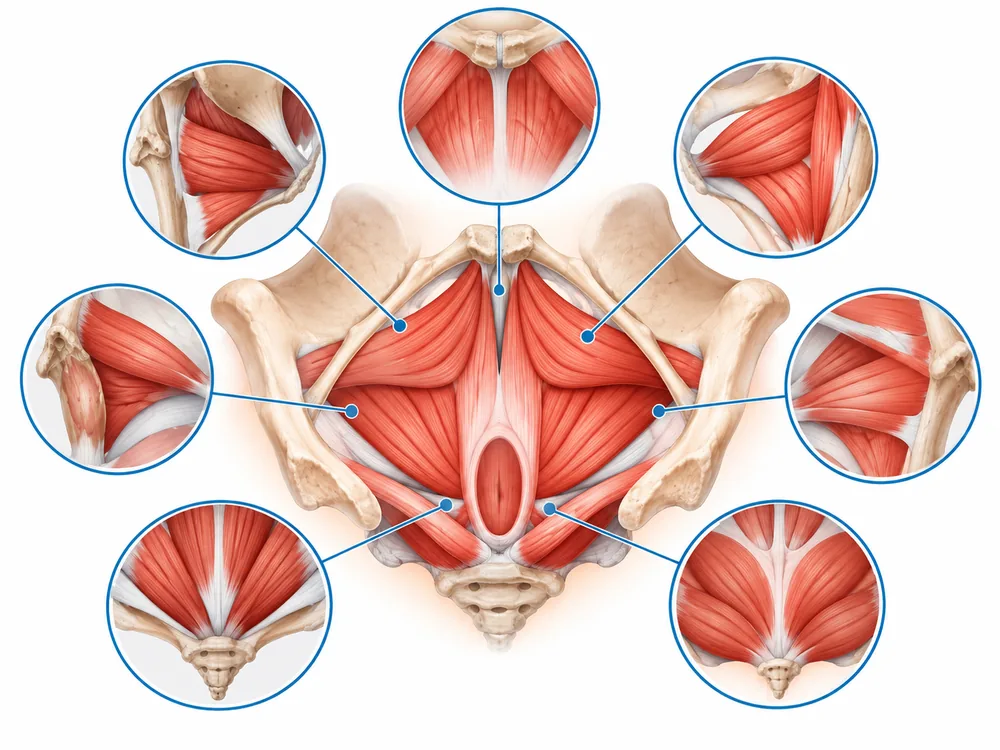
Pelvic floor muscle training
Kegel exercises strengthen the muscles that control urine flow. Women who completed pelvic floor muscle training had fewer daily leaks than women who did not [3]. A pelvic floor physical therapist can make sure you are doing them correctly.
Bladder training and lifestyle changes
Scheduled bathroom trips that gradually spread further apart, urge suppression techniques, and changes to fluids, caffeine, and constipation can make a real difference [3].
Pessaries and devices
A pessary is a soft device placed in the vagina to support the urethra or pelvic organs. It can reduce stress leaks and ease prolapse symptoms without surgery [3].
Medications, injections, and nerve stimulation
For urgency, medications can relax the bladder. Bladder Botox injections or mild electrical nerve stimulation may be considered when other treatments have not helped. Bulking injections can help the urethra close more tightly [3].
Surgery
Sling surgery is the most common operation for stress incontinence in women [3]. Prolapse can be repaired through the vagina or with minimally invasive abdominal surgery. Your urogynecologist will explain the benefits, risks, and recovery for each option.
Before your appointment
What to expect at your first urogynecology visit
Your first visit is about understanding your symptoms and what you want to change. You stay in control of every step.
A detailed conversation.
Your specialist asks about leaks, urges, bulge symptoms, bowel habits, births, surgeries, and how symptoms affect your daily life.
A pelvic exam.
Usually done in person, sometimes while you cough or bear down, to check muscle strength and look for prolapse.
Simple tests.
A urine test and a quick ultrasound to see how well your bladder empties are common. Some women need more detailed bladder testing later.
A step-by-step plan.
You leave with first-line treatments to try, what to expect, and when to follow up.
Keep a bladder diary for two or three days before your visit, noting what you drink, when you urinate, and when you leak. Bring your medication list, any past urine test or imaging results, and records of prior pelvic surgery. For a video consult, have your diary at hand; your specialist will schedule an in-person exam if needed.
Make an informed choice
How to choose the right urogynecologist near you
Pelvic floor care is a focused field. These steps help you find a specialist who fits.
- Confirm board certification. Urogynecologists are board-certified in obstetrics and gynecology or in urology, and many also hold subspecialty certification in urogynecology and reconstructive pelvic surgery. Verify any physician for free with the American Board of Medical Specialties [6].
- Ask how often the physician treats your specific problem, such as prolapse, urge leaks, or fecal incontinence.
- Look for someone who offers non-surgical options first, including pessaries and pelvic floor therapy.
- If surgery is likely, ask about approaches offered and hospital affiliations.
- Check the price before you book. Self-pay patients have a federal right to a Good Faith Estimate of expected charges for scheduled care [7].
- Consider whether a video consult first, followed by an in-person exam, suits your schedule.
The evidence
The evidence: pelvic floor problems are common
If you have pelvic floor symptoms, you are far from alone. These figures come from the National Institutes of Health.
-
About 1 in 2
women experience urinary incontinence
Women are more likely to develop it during and after pregnancy, childbirth, and menopause [1].
-
7 to 15 in 100
adults living at home have fecal incontinence
It becomes more common with age [2].
-
50 to 70 in 100
nursing home residents have fecal incontinence
Rates are far higher among people living in hospitals and nursing homes [2].
-
8 or more
bathroom trips a day is a reason to get checked
NIH lists this kind of frequency as a symptom worth discussing with a health care professional [4].
Go deeper
Pelvic floor health after childbirth and through menopause
Pelvic floor problems often start or change at two key points in life. Knowing what is normal helps you know when to get help.

In the first year after birth
Some leaking in the first weeks after delivery is common as tissues heal. Leaks, heaviness, or pain that last beyond a few months, or bowel control problems at any point, deserve a pelvic floor evaluation. Pelvic floor physical therapy works best when started early.
During perimenopause and menopause
Lower estrogen thins the tissues of the vagina and urethra. Many women notice more urgency, leaks, or bladder infections in these years. Vaginal estrogen and pelvic floor training are often part of the plan, and a urogynecologist can work with your menopause specialist.
Later in life
Prolapse and bowel control problems become more common with age [5]. It is never too late to be treated. Many older women do well with a pessary, and surgery can be safe and effective for healthy women of any age.
Direct access compared
A simpler path to a pelvic floor specialist
| Consideration | Apptly Health | Traditional route |
|---|---|---|
| Referral | Not required | Often needed from a primary care doctor or OB-GYN |
| Getting started | Book a pelvic floor specialist directly | Raise an embarrassing topic at a general checkup first |
| Price | Shown before you book | Known after the claim is processed |
| Choice of specialist | Any listed urogynecologist | Limited to your network |
| Visit type | In person, or virtual for consults and follow-ups | Mostly in person |
Related care
Related specialists you can book
Pelvic floor problems often involve more than one area of care. These Apptly Health specialists frequently work with urogynecologists.
Helpful answers
Urogynecology questions, answered
Do I need a referral to see a urogynecologist?
Not on Apptly Health. You can book a board-certified urogynecologist directly, without first seeing a primary care doctor or OB-GYN. If you plan to use insurance for other care, check your plan, since some HMO plans require referrals for specialist visits.
How much does a urogynecologist visit cost without insurance?
Each specialist sets a visit price, shown on their Apptly Health profile before you book. Bladder testing, imaging, pessary fittings, and procedures may be priced separately. As a self-pay patient, you can request a Good Faith Estimate for scheduled services under the No Surprises Act.
Does Apptly Health bill my insurance?
No. Apptly Health is a direct-pay platform. You pay the urogynecologist's listed fee directly, and Apptly Health does not submit claims to your insurance. Some plans reimburse out-of-network care, so check with your insurer if you plan to request reimbursement.
Can I book a urogynecologist on Apptly Health if I have Medicare or Medicaid?
Check with the physician's office before you book. Medicare and Medicaid have rules that limit when an enrolled physician can accept direct payment for covered services, so whether a self-pay visit is possible depends on the physician and the service you need.
What is the difference between a urogynecologist and a urologist?
Both treat bladder problems. A urologist cares for the urinary tract in men and women, including kidney stones and urologic cancers. A urogynecologist focuses only on women's pelvic floor disorders, such as leakage, overactive bladder, prolapse, and childbirth-related injury. Some urologists also specialize in female pelvic medicine, so either can be a good choice.
Can I see a urogynecologist virtually?
Yes, for parts of your care. A video visit works well for a first conversation about symptoms, reviewing a bladder diary, starting bladder training, and follow-ups on medication. A pelvic exam, pessary fitting, and bladder testing must be done in person.
Is bladder leakage just a normal part of aging?
It is common, but it is not something you have to live with. About half of women experience urinary incontinence at some point. Exercises, bladder training, devices, medications, and procedures can reduce or stop leaks for many women. Getting checked is the first step.
Do I need surgery for pelvic organ prolapse?
Not always. Mild prolapse that does not bother you may need no treatment. Pelvic floor therapy and a pessary help many women. Surgery is an option when symptoms affect your life and you prefer a longer-term fix. Your urogynecologist will walk through each choice with you.
How do I know if a urogynecologist is board-certified?
Every physician on Apptly Health is verified as board-certified before their profile goes live. You can also look up any physician for free on the American Board of Medical Specialties website to see their board certification and any subspecialty certification in urogynecology and reconstructive pelvic surgery.
What should I bring to my first urogynecology appointment?
Bring a two or three day bladder diary, your medication list, records of pregnancies and pelvic surgeries, and any recent urine test or imaging results. Note which activities trigger leaks and how many pads you use a day. Come with a comfortably full bladder unless told otherwise.
When are bladder symptoms an emergency?
Seek urgent care if you suddenly cannot urinate, have fever with back or side pain, see blood clots in your urine, or lose bladder or bowel control along with new leg weakness or numbness. Call 911 if symptoms are severe.
Can I use HSA or FSA funds for urogynecology care?
In most cases, yes. Physician visits and treatments for diagnosing or treating a medical condition are generally qualified medical expenses, and pessaries and prescribed medications often are too. Confirm with your plan administrator before you book.
More questions about booking, payments, or your account? Visit the Apptly Health FAQ page.

For physicians
Are you a urogynecologist?
Reach women who are ready to get help for pelvic floor problems, set your own schedule and price, and spend more time on care and less on paperwork.
Apply to Join the NetworkMedical review and references
Medically reviewed by Dr. Paula Muto
Board-certified vascular surgeon and founder of Apptly Health
This page is for general information and does not replace a consultation with a qualified physician. If you think you are having a medical emergency, call 911. If you are in emotional crisis, call or text 988.