Gastroenterology · Direct-Pay Specialist Care
Find a Board-Certified Gastroenterologist Near You
Search GI doctors in your city, compare their profiles and open times, and see the visit price before you book. No referral needed, in person or by video.
Enter your ZIP code to see gastroenterologists near you, with prices and open times.
- Board-certified gastroenterologists
- No referral required
- Price shown before you book
- In-person and virtual visits
The direct answer
What does a gastroenterologist do?
A gastroenterologist is a physician who diagnoses and treats diseases of the digestive tract and liver, including the esophagus, stomach, intestines, pancreas, gallbladder, and bile ducts. GI doctors perform colonoscopy and upper endoscopy, screen for colorectal cancer starting at age 45, and manage long-term conditions such as Crohn's disease, ulcerative colitis, and fatty liver disease. You can book one directly on Apptly Health without a referral.
Key facts at a glance
Colorectal cancer is the second-leading cause of cancer death in the U.S. when men and women are combined, with about 55,230 deaths expected in 2026 [1].
Screening now starts at age 45, yet only 29.8% of adults ages 45 to 49 were up to date with colorectal cancer screening in 2022 [2] [4].
An estimated 2.39 million Americans have been diagnosed with inflammatory bowel disease, which includes Crohn's disease and ulcerative colitis [3].
Apptly Health lets you book a board-certified gastroenterologist directly, with the price shown before you confirm.
Gastroenterologists you can book now
Gastroenterologists near 07102
Current provider listings are checked when you open this page.
- Checking current provider listings, visit fees and appointment options…
Physician listings, available appointments and visit fees are refreshed when you search. Availability and the final fee are confirmed on the booking page.
Provider availability, prices and appointment times are checked live. Confirm exact visit details when booking.
Why Apptly is different
GI care without the gatekeeping
Digestive problems are hard to ignore and awkward to talk about. Waiting weeks for a referral just to ask about a colonoscopy or a flare makes it worse. Apptly Health lets you go straight to a board-certified GI doctor who publishes their own schedule and price.
See how it works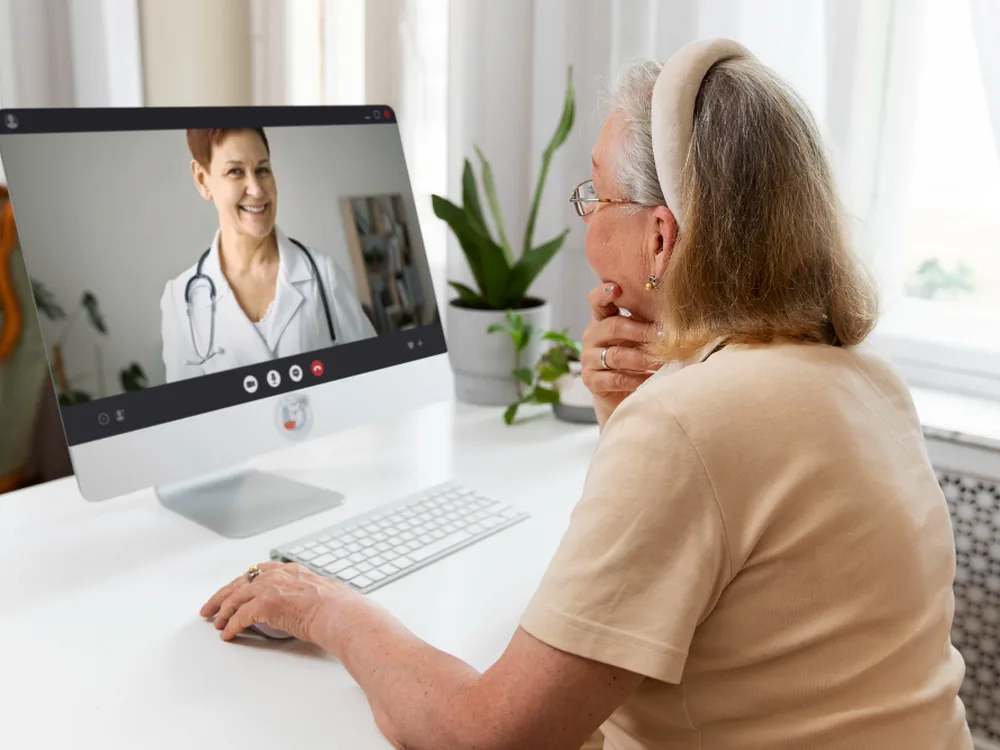
- Physician-founded and physician-led marketplace
- Verify each listed gastroenterologist's credentials and board certification
- Visit price shown before you book
- Choose any listed gastroenterologist, with no network limits
- No referral needed for a screening consult or symptom visit
- Book online in minutes, day or night
- HIPAA-compliant platform for your health information
- Many GI doctors offer virtual visits for follow-ups and results
Know when to get care
When should you see a gastroenterologist?
Some reasons to see a GI doctor are routine, like turning 45. Others are symptoms that have lasted too long or keep coming back. Book a gastroenterology visit if any of these sound familiar.
Symptoms that point to a GI evaluation
- Blood in your stool, or stools that look black and tarry
- Heartburn or reflux more than twice a week, or that no longer responds to over-the-counter medicine
- Trouble swallowing, or food that feels stuck in your chest
- Ongoing diarrhea, constipation, or a change in bowel habits that lasts several weeks
- Unexplained weight loss, anemia, or loss of appetite
- Yellowing of the skin or eyes, or abnormal liver tests on routine blood work
Situations that call for a GI doctor, even without symptoms
- You are 45 or older and have never been screened for colorectal cancer
- A parent, sibling, or child had colorectal cancer or advanced polyps
- You had polyps removed before and are due for a surveillance colonoscopy
- You have Crohn's disease or ulcerative colitis and need a long-term specialist
- Your stool-based screening test (such as a FIT or stool DNA test) came back positive
- Imaging or blood work found fatty liver, elevated liver enzymes, or hepatitis
Important: Call 911 or go to the nearest emergency room if you are vomiting blood or material that looks like coffee grounds, passing large amounts of blood or black, tarry stool, or have severe belly pain with fever, a rigid abdomen, or fainting. These can be signs of bleeding in the digestive tract and need emergency care, not an online booking [5].
Understand your options
How much does a gastroenterologist cost without insurance?
The cost of a self-pay gastroenterologist visit varies by physician, location, visit format, and the services you need. Apptly Health is designed to show the listed visit fee before you confirm a booking. Do not assume that tests, procedures, or follow-up services are included in that fee.
Questions to ask before booking
- Is this price for a new-patient visit or a follow-up?
- Is this fee for the office visit only? A colonoscopy or endoscopy is usually priced separately.
- Will a virtual appointment be appropriate for my concern?
- Can the provider supply a Good Faith Estimate for scheduled self-pay care?
- Can I use eligible HSA or FSA funds for the visit?
For scheduled care, patients who are uninsured or choose not to use insurance generally have rights to a Good Faith Estimate under federal rules. Ask about additional services and expected charges in advance.
If you have Medicare or Medicaid: check with the physician's office before you book. Program rules limit when an enrolled physician can accept direct payment for covered services, so whether a self-pay visit is possible depends on the physician and the service.
Your path to care
How Apptly Health works
Booking a GI specialist should take minutes, not a stack of forms.
-
Step 1
Search by city, ZIP code, or concern.
Find board-certified gastroenterologists near you or available by video.
-
Step 2
Compare GI doctors.
Review credentials, clinical focus, languages, and open appointment times.
-
Step 3
See the price before you book.
The visit fee is shown up front, so there is no guessing about the consult fee.
-
Step 4
Book online and be seen.
Appointment timing depends on real provider availability in your selected location.
Results, prices, and appointment availability depend on participating physicians in your area.
Expertise for your needs
Conditions a gastroenterologist treats
Gastroenterology covers every organ food passes through, plus the liver and pancreas that help digest it. These are the conditions GI doctors see most often.
Colorectal cancer screening and polyps
Most colorectal cancers start as polyps that grow slowly over years. A gastroenterologist can find and remove polyps during colonoscopy, which turns screening into prevention. They also help you choose between colonoscopy and stool-based tests based on your risk.
Reflux, GERD, and Barrett's esophagus
About 20 percent of people in the United States have GERD [5]. When reflux is frequent, long-lasting, or comes with trouble swallowing, a GI doctor may use upper endoscopy to check for inflammation, narrowing, or Barrett's esophagus, a change in the esophageal lining that needs monitoring.
Crohn's disease and ulcerative colitis
Inflammatory bowel disease is a lifelong condition that needs a specialist. Gastroenterologists confirm the diagnosis with colonoscopy and biopsies, then manage treatment that may include anti-inflammatory medicines or biologic therapy, aiming for lasting remission rather than just fewer flares.
Liver disease
Metabolic dysfunction-associated steatotic liver disease (MASLD, formerly called fatty liver disease) affects up to 25% of people in the United States [6]. GI doctors and hepatologists evaluate abnormal liver tests, hepatitis B and C, and scarring, and help slow progression toward cirrhosis.
Ulcers, gastritis, and H. pylori
Burning upper belly pain, nausea, or early fullness can come from ulcers or stomach inflammation. A gastroenterologist can test for H. pylori infection, look for ulcers with endoscopy, and review medicines such as pain relievers that may be contributing.
Pancreas, gallbladder, and bile duct problems
Gallstones that block a bile duct, pancreatitis, and pancreatic cysts all fall under gastroenterology. Some GI doctors perform specialized endoscopic procedures to clear blocked ducts, and they work closely with general surgeons when the gallbladder needs to come out.
Know your options
Common GI tests and procedures, explained
Much of what a gastroenterologist does involves looking directly inside the digestive tract. Here is what the most common procedures involve, in plain language.

Colonoscopy
A thin, flexible camera is passed through the rectum to view the entire colon while you are sedated. Polyps can be removed during the same procedure. The day before, you follow a clear liquid diet and drink a bowel prep, which is usually the hardest part.
Upper endoscopy (EGD)
A camera passes through the mouth to look at the esophagus, stomach, and first part of the small intestine. It is used for reflux, swallowing trouble, ulcers, and celiac disease testing, and usually takes 15 to 30 minutes under sedation.
Stool-based screening tests
Tests such as FIT and stool DNA tests are done at home. They are reasonable screening options for many average-risk adults, but a positive result means you need a follow-up colonoscopy to finish the screening.
Imaging and specialized procedures
Depending on the problem, your GI doctor may order an abdominal ultrasound, liver stiffness testing, capsule endoscopy (a swallowed camera pill), or refer you for advanced endoscopic procedures on the bile ducts and pancreas.
Before your appointment
What to expect at your first gastroenterology visit
A first visit is a conversation, not a procedure. Most people are surprised by how much gets sorted out before anyone mentions a scope.
Your story.
Your gastroenterologist asks about your symptoms, how long they have lasted, what you eat, your bowel habits, medications, and any family history of GI cancer or IBD.
A focused exam.
Expect a check of your abdomen for tenderness, swelling, or an enlarged liver. A rectal exam is sometimes needed and is always explained first.
Lab work or testing.
Your GI doctor may order blood work, stool tests, or imaging, and will tell you whether a colonoscopy or upper endoscopy makes sense for you.
A plan and the price of next steps.
You leave with a working diagnosis or a screening plan, prep instructions if a procedure is scheduled, and pricing for any follow-up services discussed.
Bring a list of your medications and supplements (including blood thinners and diabetes medicines, which may need adjusting before a procedure), any recent lab or imaging results, and reports from past colonoscopies or endoscopies. A simple diary of symptoms, foods, and bowel movements for a week or two is very helpful.
Make an informed choice
How to choose the right gastroenterologist near you
The right GI doctor has the training for your specific problem, does the procedures you may need, and explains things in a way you can follow. Use this checklist.
- Confirm board certification. You can verify any physician for free through the American Board of Medical Specialties [7]. Every gastroenterologist on Apptly Health is verified before listing.
- Match their focus to your need: general GI and screening, IBD, liver disease (hepatology), motility and swallowing disorders, or advanced endoscopy.
- Ask where procedures are done, whether in an endoscopy center or a hospital, and who provides sedation.
- Ask how results and biopsy reports are shared with you after a procedure, and how quickly.
- Look at the price before you book. Self-pay patients also have a federal right to a Good Faith Estimate of expected charges for scheduled care, including procedures [8].
- Read the profile for languages spoken, virtual visit options, and evening or weekend availability.
The evidence
The evidence: why GI care should not wait
Digestive cancers and chronic GI diseases are common, and screening gaps are largest in younger adults. These figures come from the American Cancer Society, the CDC, and peer-reviewed research.
-
2nd
leading cause of cancer death in the U.S., men and women combined
About 108,860 new colon cancers and 49,990 new rectal cancers are expected in 2026 [1].
-
2.9% a year
rise in colorectal cancer rates in people under 50
Incidence in adults younger than 50 increased about 2.9% per year from 2013 to 2022 [1].
-
29.8%
of adults ages 45 to 49 were up to date on screening
Across all adults ages 45 to 75, 61.4% were up to date in 2022 [2].
-
2.39 million
Americans diagnosed with inflammatory bowel disease
A prevalence of about 721 per 100,000 people, extrapolated to the 2020 census [3].
Go deeper
Colorectal cancer screening: when to start and which test
Screening is the single most common reason adults first see a gastroenterologist. The recommended starting age for average-risk adults dropped from 50 to 45 [4], and here is how to think about it.
Average risk: start at 45
If you have no symptoms and no strong family history, screening usually begins at 45. You and your GI doctor can choose a colonoscopy, typically repeated every 10 years if normal, or a stool-based test repeated more often.
Higher risk: start earlier
A first-degree relative with colorectal cancer or advanced polyps, a personal history of IBD, or a known inherited syndrome usually means screening earlier and more often. A gastroenterologist can set the right schedule for your family history.
Symptoms are not screening
Rectal bleeding, iron-deficiency anemia, or a lasting change in bowel habits at any age call for a diagnostic evaluation, not a routine screening test. Younger adults with these symptoms should not wait until 45.
After 75
Between 76 and 85, the decision to keep screening depends on your overall health and past results. Your gastroenterologist will weigh the benefit against the risks of the procedure.
Direct access compared
A faster path to a GI specialist
| Consideration | Apptly Health | Traditional route |
|---|---|---|
| Referral | Not required | Often required by your plan |
| Getting a first visit | Varies by live provider availability | Wait times vary and can stretch for weeks |
| Price of the visit | Shown before you book | Known after the claim is processed |
| Choice of GI doctor | Any listed gastroenterologist | Limited to your network |
| Follow-ups and results | In person or virtual | Mostly in person |
Related care
Related specialists you can book
Digestive problems often cross specialty lines. These Apptly Health specialists frequently work alongside gastroenterologists.
Helpful answers
Gastroenterology questions, answered
Do I need a referral to see a gastroenterologist?
Not on Apptly Health. You can book a board-certified gastroenterologist directly, without a referral from a primary care physician. If you plan to use insurance for a procedure elsewhere, check your plan first, because many HMO plans require a referral for in-network specialist care.
How much does a gastroenterologist visit cost without insurance?
Each gastroenterologist sets their own visit fee, and it is shown on their Apptly Health profile before you book. Procedures such as colonoscopy, along with anesthesia, pathology, and facility charges, are priced separately. As a self-pay patient you are entitled to a Good Faith Estimate for scheduled services under the No Surprises Act.
Does Apptly Health bill my insurance?
No. Apptly Health is a direct-pay platform. You pay the gastroenterologist's listed fee directly, and Apptly Health does not submit claims to your insurance. Some plans reimburse out-of-network care, so check with your insurer if you plan to request reimbursement.
Can I book a gastroenterologist on Apptly Health if I have Medicare or Medicaid?
Check with the physician's office before you book. Medicare and Medicaid have rules that limit when an enrolled physician can accept direct payment for covered services, so whether a self-pay visit is possible depends on the physician and the service you need.
Can I book a colonoscopy directly?
Most gastroenterologists want a short consult first, by video or in person, to review your history, medicines, and risk level and to choose the right prep. Some offer direct-access screening for healthy average-risk adults. Your GI doctor will confirm which path fits you and explain the costs before scheduling.
What is the difference between a gastroenterologist and a colorectal surgeon?
A gastroenterologist is a physician trained in internal medicine who diagnoses and treats digestive diseases with medication, testing, and endoscopic procedures such as colonoscopy. A colorectal surgeon is a surgeon who operates on the colon, rectum, and anus, for example to treat cancer, severe diverticulitis, or hemorrhoids that need surgery. Most people start with a gastroenterologist.
Can I see a gastroenterologist virtually?
Yes. Many gastroenterologists on Apptly Health offer video visits, which work well for reflux, IBS, reviewing lab or procedure results, IBD medication check-ins, and screening consults. Procedures and some physical exams must happen in person, and your GI doctor will tell you if you need to come in.
At what age should I get my first colonoscopy?
Adults at average risk should begin colorectal cancer screening at 45. A colonoscopy is one option, and stool-based tests are another. If a close relative had colorectal cancer or advanced polyps, or you have inflammatory bowel disease, you may need to start earlier. A gastroenterologist can set the right age and interval.
How do I know if a gastroenterologist is board-certified?
Every gastroenterologist on Apptly Health is verified as board-certified before their profile goes live. You can also check any physician's certification for free using the American Board of Medical Specialties verification tool, which shows the specialty and the certifying board.
What should I bring to my first GI appointment?
Bring a list of medications and supplements, especially blood thinners and diabetes medicines, recent lab and imaging results, and reports from any prior colonoscopy or endoscopy. Note when symptoms started, what makes them better or worse, and any family history of colon cancer, polyps, or IBD.
Is blood in my stool an emergency?
It depends on the amount and how you feel. A small streak of bright red blood is often from hemorrhoids but still deserves a visit. Large amounts of blood, black tarry stool, vomiting blood, dizziness, or fainting need emergency care. Call 911 or go to the nearest ER instead of booking an appointment.
Can I use HSA or FSA funds for a gastroenterology visit or colonoscopy?
In many cases, yes. Visits to a physician for diagnosis or treatment, and medically necessary procedures, are generally qualified medical expenses. Confirm with your plan administrator before you book, and keep your receipt and Good Faith Estimate for your records.
More questions about booking, payments, or your account? Visit the Apptly Health FAQ page.

For physicians
Are you a gastroenterologist?
Reach direct-pay patients who are actively looking for GI care and screening, set your own schedule and visit price, and spend less time on prior authorizations and paperwork.
Apply to Join the NetworkMedical review and references
Medically reviewed by Dr. Paula Muto
Board-certified vascular surgeon and founder of Apptly Health
This page is for general information and does not replace a consultation with a qualified physician. If you think you are having a medical emergency, call 911. If you are in emotional crisis, call or text 988.