Dermatology · Direct-Pay Specialist Care
Find a Board-Certified Dermatologist Near You
Book a skin doctor for a mole check, stubborn acne, a lingering rash, or cosmetic care. See the price before you book. No referral needed.
Enter your ZIP code to see dermatologists near you, with prices and open times.
- Board-certified dermatologists
- Medical and cosmetic care
- Price shown before you book
- No referral required
The direct answer
What does a dermatologist do?
A dermatologist is a physician who diagnoses and treats conditions of the skin, hair, and nails, from acne, eczema, and psoriasis to skin cancer. Dermatologists perform full-body skin checks, biopsies, and minor skin surgery, and many also offer cosmetic treatments such as wrinkle-relaxing injections, fillers, peels, and lasers. On Apptly Health you can book a board-certified dermatologist directly, without a referral.
Key facts at a glance
Skin cancer is the most common cancer in the United States, and about 6.1 million adults are treated for basal cell and squamous cell carcinomas each year [1].
An estimated 112,000 new cases of melanoma are projected in 2026, and 77% of melanomas are found at the localized stage, when the 5-year relative survival is highest [2].
Acne affects nearly 50 million Americans each year [3], and the average wait for a new dermatology appointment across 15 large U.S. metros was 36.5 days in 2025 [4].
Apptly Health lets you book a board-certified dermatologist directly, for medical or cosmetic concerns, with the price shown before you confirm.
Dermatologists you can book now
Dermatologists near 07102
Current provider listings are checked when you open this page.
- Checking current provider listings, visit fees and appointment options…
Physician listings, available appointments and visit fees are refreshed when you search. Availability and the final fee are confirmed on the booking page.
Provider availability, prices and appointment times are checked live. Confirm exact visit details when booking.
Why Apptly is different
Skin care without the gatekeeping
A changing mole or a flare of hives should not sit on a waitlist for a month. Apptly Health lets you choose a dermatologist yourself, see what the visit costs, and book a time that works for you.
See how it works
- Founded and led by physicians, not a staffing company
- Verify each listed dermatologist's credentials and board certification
- The visit price is on the profile before you book
- Choose any listed dermatologist, with no network limits
- No referral from a primary care doctor needed
- Online booking that takes minutes
- A HIPAA-compliant platform for your records and photos
- Many dermatologists offer virtual visits for rashes, acne, and follow-ups
Know when to get care
When should you see a dermatologist?
Plenty of skin problems clear up on their own. These are the ones worth showing to a specialist, sooner rather than later.
Skin changes to get checked
- A mole or spot that is new, looks different from your other spots, or is changing in size, shape, or color
- A spot that itches, bleeds, crusts, or will not heal after a few weeks
- A shiny, pearly, or scaly bump, especially on the face, ears, scalp, or hands
- Acne that leaves dark marks or scars, or has not improved after two to three months of over-the-counter care
- A rash, itch, or patch of dry skin that keeps coming back or disrupts sleep
- Hair shedding, bald patches, or nail changes such as thickening, lifting, or a dark streak
Situations that call for a routine skin check
- A personal or family history of melanoma or other skin cancer
- Fair skin that burns easily, a history of blistering sunburns, or past tanning bed use
- Many moles, or moles that look unusual
- A weakened immune system, including after an organ transplant
- Years of outdoor work or outdoor sports without regular sun protection
- Planning a cosmetic treatment and wanting a physician to assess your skin first
Important: Call 911 or go to the emergency room if a rash comes with trouble breathing, swelling of the lips, tongue, or throat, or dizziness. Also seek emergency care for blistering or peeling skin over a large area with fever, or red, hot, painful skin that is spreading quickly. These can be signs of a severe allergic reaction, a serious drug reaction, or a fast-moving infection.
Understand your options
How much does a dermatologist cost without insurance?
The cost of a self-pay dermatologist visit varies by physician, location, visit format, and the services you need. Apptly Health is designed to show the listed visit fee before you confirm a booking. Do not assume that tests, procedures, or follow-up services are included in that fee.
Questions to ask before booking
- Is this price for a new-patient visit or a follow-up?
- Does the visit include a biopsy or removal of a spot, or will that be billed separately?
- Will a virtual appointment be appropriate for my concern?
- Can the provider supply a Good Faith Estimate for scheduled self-pay care?
- Can I use eligible HSA or FSA funds for the visit?
For scheduled care, patients who are uninsured or choose not to use insurance generally have rights to a Good Faith Estimate under federal rules. Ask about additional services and expected charges in advance.
If you have Medicare or Medicaid: check with the physician's office before you book. Program rules limit when an enrolled physician can accept direct payment for covered services, so whether a self-pay visit is possible depends on the physician and the service.
Your path to care
How Apptly Health works
Booking a skin doctor should take less time than reading reviews.
-
Step 1
Search by city, ZIP code, or concern.
Find board-certified dermatologists near you, or ones who see patients by video.
-
Step 2
Compare dermatologists.
Look at credentials, medical or cosmetic focus, languages, and open times.
-
Step 3
See the price first.
Each dermatologist shows the visit fee up front, so there is no waiting for a claim to know what you owe.
-
Step 4
Book and be seen.
Appointment timing depends on real provider availability in your selected location.
Results, prices, and appointment availability depend on participating physicians in your area.
Expertise for your needs
Conditions a dermatologist treats
Most dermatology visits come down to a handful of common problems. Here is what dermatologists on Apptly Health see most.
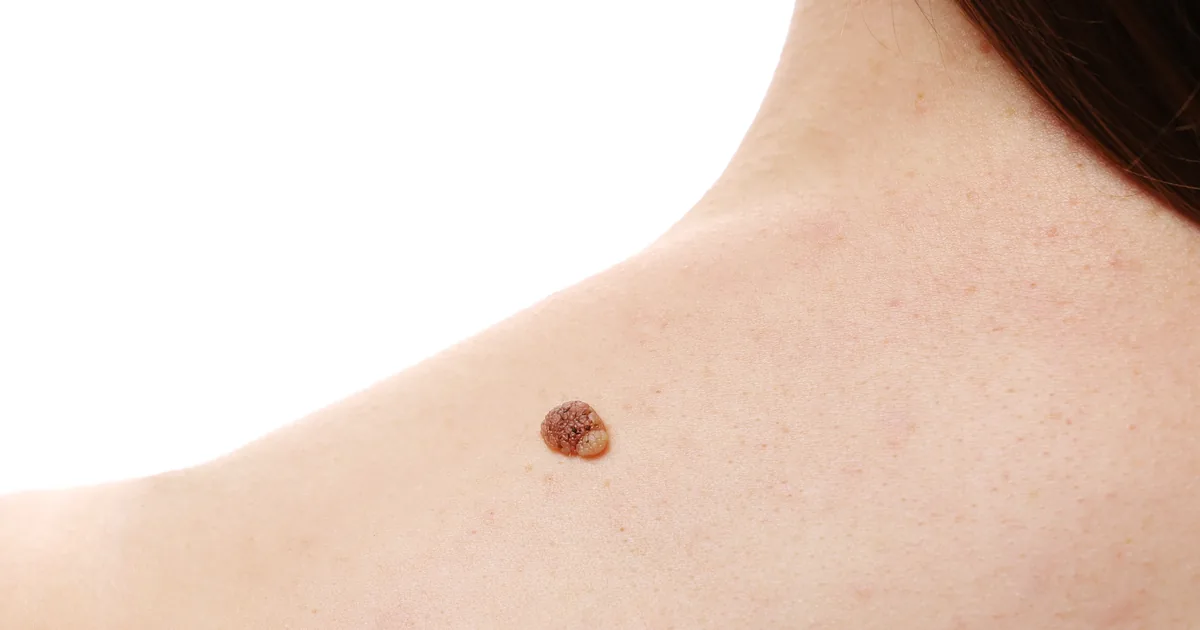
Skin cancer and suspicious moles
Basal cell and squamous cell carcinomas are the most common skin cancers; one estimate puts them at about 5.4 million diagnoses a year in the U.S. [8]. Melanoma is less common but more dangerous. Dermatologists use the ABCDEs (asymmetry, uneven border, multiple colors, diameter larger than about 6 millimeters, and evolving) to decide which spots need a biopsy [5].
Acne and acne scarring
Acne is not just a teenage problem. Many adults, especially women, get breakouts along the jaw and chin. A dermatologist can match treatment to your acne type, which may include topical retinoids, prescription washes, oral medications, or hormonal options, and can treat scarring once acne is controlled.
Eczema and other itchy rashes
Atopic dermatitis, contact dermatitis, and hives all itch, but they have different causes. Your dermatologist can sort out which one you have, prescribe stronger anti-inflammatory treatments, and arrange patch testing if a product or metal may be the trigger.
Psoriasis
Psoriasis causes thick, scaly plaques and is linked to joint pain. Treatment ranges from creams and light therapy to pills and injectable biologic medicines.
Rosacea
Persistent facial redness, flushing, visible blood vessels, and acne-like bumps often point to rosacea. A dermatologist can help you find triggers and offer prescription creams, oral treatment, or laser treatment for redness.
Hair loss and nail problems
Thinning hair, bald patches, and nail changes can reflect genetics, stress, thyroid problems, low iron, infection, or autoimmune disease. A scalp exam, blood work, or a small biopsy can find the cause.
Warts, cysts, and skin growths
Warts, skin tags, seborrheic keratoses, and cysts are usually harmless. Dermatologists remove them in the office and send anything unusual to the lab.
Know your options
Cosmetic dermatology: treatments a skin doctor can offer
Many people searching for a cosmetic dermatologist near them want smoother skin, fewer brown spots, or less redness without surgery. Your dermatologist will look at your skin type, history, and goals before recommending anything, and may check a suspicious spot before treating the area around it.
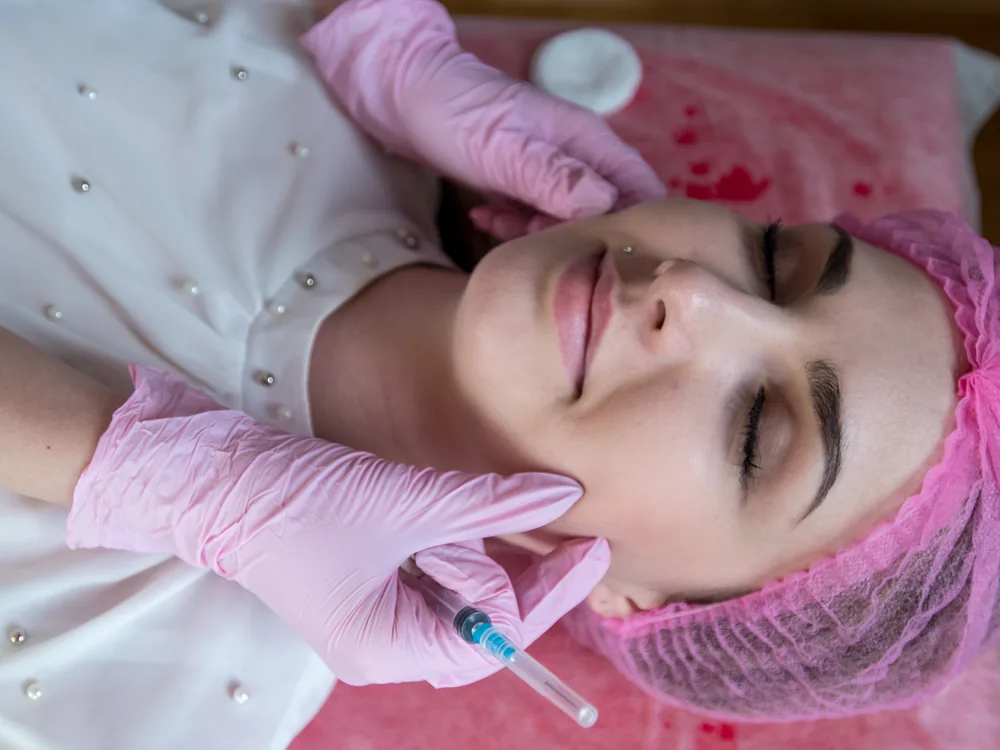
Wrinkle-relaxing injections
Botulinum toxin injections, sometimes called Botox after one brand, relax the muscles that cause frown lines, forehead lines, and crow's feet. Results usually last a few months. A dermatologist will discuss where to inject, what to expect, and possible side effects such as bruising or a temporary droopy brow.
Dermal fillers
Fillers restore volume in the cheeks, lips, and folds around the mouth. Knowing facial anatomy matters here, because filler placed in the wrong spot can block a blood vessel. That is one reason many people prefer a board-certified dermatologist for injectables.
Chemical peels and microneedling
Peels remove damaged outer layers of skin to improve tone, fine lines, and some acne marks. Microneedling creates tiny controlled injuries that encourage collagen. Both need care in darker skin tones, which can develop dark patches if the treatment is too aggressive.
Laser and light treatments
Different lasers target redness, brown spots, unwanted hair, acne scars, or texture. A dermatologist chooses the device and settings for your skin type, lowering the risk of burns and pigment changes.
Before your appointment
What to expect at your first dermatology visit
Most first visits are quick and low-key. Here is the usual flow, whether you are coming in for a mole check, a rash, or a cosmetic consultation.
Your story.
Your dermatologist asks how long the problem has been there, what you have tried, your medications, and any family history of skin cancer or skin disease.
A skin exam.
For a full-body skin check you change into a gown, and the dermatologist looks at your skin from scalp to soles, often with a handheld magnifier called a dermatoscope. You can ask to skip any area.
Testing if needed.
A suspicious spot may be biopsied on the spot with numbing medicine. Other tests include skin scrapings for fungus, patch testing, or blood work for hair loss.
A treatment plan.
You leave with a diagnosis or next step, prescriptions if needed, and pricing for any follow-up procedure or cosmetic treatment you discussed.
Bring a list of your medications and skin products, any past biopsy or pathology reports, and photos if your rash or breakout comes and goes. Come with clean skin and no nail polish if you want your face or nails examined. For a virtual visit, sit near a window or bright light so your dermatologist can see the area clearly.
Make an informed choice
How to choose the right dermatologist near you
Skin care is offered in many settings, from medical practices to spas. Use this checklist to find a dermatologist who fits your needs.
- Confirm board certification in dermatology. You can check any physician for free through the American Board of Medical Specialties [6]. Every dermatologist on Apptly Health is verified before listing.
- Ask who will perform cosmetic treatments. Find out whether the dermatologist does injections and lasers personally or whether staff do them, and who is on site if there is a problem.
- Match focus to your need: general medical dermatology, skin cancer surgery, pediatric dermatology, hair disorders, or cosmetic care.
- Look for experience with your skin tone, especially for acne marks, melasma, keloids, or laser treatments.
- Review the price before you book. Self-pay patients also have a federal right to a Good Faith Estimate of expected charges for scheduled care [7].
- Check availability for evenings, weekends, and video visits, and whether biopsies can be done at the same visit.
The evidence
The evidence: why skin checks and timely access matter
Skin conditions are common, and skin cancer caught early is very treatable. These figures come from federal agencies, the American Academy of Dermatology, and a national wait-time survey.
-
6.1 million
adults treated for basal cell and squamous cell skin cancers each year
Skin cancer is the most common form of cancer in the United States [1].
-
77%
of melanomas are diagnosed at the localized stage
The overall 5-year relative survival for melanoma is 94.7%, and it is highest when the cancer is found before it spreads [2].
-
Nearly 50 million
Americans are affected by acne each year
The American Academy of Dermatology updated its acne treatment guidelines in 2024 [3].
-
36.5 days
average wait for a new dermatology appointment
Measured across 15 large U.S. metro areas in 2025, up from 34.5 days in 2022 [4].
Go deeper
Medical or cosmetic: what changes for cost and coverage
The same dermatologist may treat acne one hour and smooth frown lines the next. How a visit is classified affects what you pay and how you can pay for it.
Medical dermatology
Visits to diagnose or treat a disease, such as a skin check, a biopsy, eczema care, or acne treatment, are medical care. These are generally eligible for HSA or FSA funds, and you can ask for an itemized receipt if you plan to submit it to a health plan yourself.
Cosmetic dermatology
Treatments done mainly to change appearance, such as wrinkle injections, fillers, or most laser resurfacing, are usually considered cosmetic. Health plans rarely cover them, and they are generally not eligible for HSA or FSA funds. Ask for a written price for the full treatment, including any touch-ups.
When it is a bit of both
Some treatments can be either, depending on the reason. Botulinum toxin for heavy underarm sweating may count as medical care. Ask how your treatment is classified before you book.
Direct access compared
A shorter path to a skin specialist
| Consideration | Apptly Health | Traditional route |
|---|---|---|
| Referral | Not required | Often required by HMO plans |
| Typical wait | Varies by live provider availability | 36.5 days on average in a 2025 survey of 15 large metros [4] |
| Price | Shown before you book | Known after the claim is processed |
| Choice of dermatologist | Any listed dermatologist | Limited to your network |
| Visit type | In person or virtual, depending on the concern | Mostly in person |
Related care
Related specialists you can book
Skin problems can overlap with allergies, autoimmune disease, and surgery. These Apptly Health specialists often work with dermatologists.
Helpful answers
Frequently asked questions about seeing a dermatologist
Do I need a referral to see a dermatologist?
Not on Apptly Health. You can book a board-certified dermatologist directly, without a referral from your primary care doctor. If you plan to use insurance somewhere else, check your plan first, because many HMO plans require a referral before they will pay for a specialist visit.
How much does a dermatologist visit cost without insurance?
Each dermatologist sets their own price and shows it on their Apptly Health profile before you book. Biopsies, lab fees, and procedures such as cyst removal or cosmetic injections are usually priced separately, so ask about them during your visit. As a self-pay patient you can also request a Good Faith Estimate for scheduled services under the No Surprises Act.
Does Apptly Health bill my insurance?
No. Apptly Health is a direct-pay platform. You pay the dermatologist's listed fee directly, and Apptly Health does not submit claims to your insurance. Some plans reimburse out-of-network care, so check with your insurer if you plan to request reimbursement.
Can I book a dermatologist on Apptly Health if I have Medicare or Medicaid?
Check with the physician's office before you book. Medicare and Medicaid have rules that limit when an enrolled physician can accept direct payment for covered services, so whether a self-pay visit is possible depends on the physician and the service you need.
Can I see a dermatologist virtually?
Yes, for many concerns. Video visits work well for acne, rosacea, eczema flares, many rashes, and medication follow-ups. A new or changing mole, a full-body skin check, a biopsy, or a cosmetic procedure needs an in-person visit. Your dermatologist will tell you if a video visit is not enough.
Should I see a dermatologist or a plastic surgeon for cosmetic treatment?
For nonsurgical treatments such as wrinkle injections, fillers, peels, and lasers, a dermatologist is a strong choice and can also treat underlying skin conditions. A plastic surgeon is the right specialist for surgical changes such as a facelift, eyelid surgery, or body contouring. Some people see both, and either should be board-certified in their specialty.
Should I see a dermatologist or an allergist for hives or a rash?
Start with a dermatologist for most rashes, eczema, and skin reactions to products, since they can examine the skin and do patch testing. An allergist is often the better first stop when hives come with food, insect sting, or medication reactions, or with other allergy symptoms such as wheezing or a runny nose.
How do I know if a dermatologist is board-certified?
Every dermatologist listed on Apptly Health is verified as board-certified before their profile goes live. You can also check any physician for free with the American Board of Medical Specialties verification tool. This matters most for cosmetic care, where people without dermatology training may offer the same treatments.
What should I bring to my first dermatology appointment?
Bring a list of your medications and the skin products you use, past biopsy or pathology reports, and photos of any rash that comes and goes. Note when the problem started and what makes it better or worse. Skip makeup and nail polish if you want your face or nails examined.
Can I use HSA or FSA funds to see a dermatologist?
Usually yes for medical care, such as skin checks, biopsies, and treatment for acne or eczema, because diagnosis and treatment by a physician is generally a qualified medical expense. Purely cosmetic treatments usually do not qualify. Check with your plan administrator before you book if you are unsure.
When is a skin problem an emergency?
Call 911 for a rash with trouble breathing, swelling of the lips, tongue, or throat, or fainting. Go to the emergency room for blistering or peeling skin over a large area, especially with fever or a new medication, or red, hot, painful skin that is spreading quickly. Do not wait for a scheduled appointment.
More questions about booking, payments, or your account? Visit the Apptly Health FAQ page.

For physicians
Are you a dermatologist?
Reach direct-pay patients looking for medical and cosmetic skin care, and set your own schedule and prices.
Apply to Join the NetworkMedical review and references
Medically reviewed by Dr. Paula Muto
Board-certified vascular surgeon and founder of Apptly Health
This page is for general information and does not replace a consultation with a qualified physician. If you think you are having a medical emergency, call 911. If you are in emotional crisis, call or text 988.