Neurosurgery · Direct-Pay Specialist Care
Find a Board-Certified Neurosurgeon Near You
Search brain, spine, and nerve surgeons in your area, compare profiles and availability, and see the consultation price before you book. No referral needed, including for second opinions.
Enter your ZIP code to see neurosurgeons near you, with prices and open times.
- Board-certified neurosurgeons
- No referral required
- Price shown before you book
- Second opinions in person or by video
The direct answer
What does a neurosurgeon do?
A neurosurgeon is a surgeon trained to diagnose and treat conditions of the brain, spine, and peripheral nerves, both with and without an operation. They care for brain tumors, herniated discs, spinal stenosis, hydrocephalus, aneurysms, nerve compression, and head and spine injuries. Many patients see a neurosurgeon to learn whether surgery is truly needed. On Apptly Health you can book one without a referral.
Key facts at a glance
Neurosurgeons complete seven years of residency after medical school before they can pursue board certification [3].
An estimated 24,740 new cases of brain and other nervous system cancer will be diagnosed in the U.S. in 2026 [1].
There were 68,663 traumatic brain injury related deaths in the U.S. in 2023, about 190 every day [2].
Apptly Health lets you book a board-certified neurosurgeon directly, including for a second opinion, with the price shown first.
Neurosurgeons you can book now
Neurosurgeons near 07102
Current provider listings are checked when you open this page.
- Checking current provider listings, visit fees and appointment options…
Physician listings, available appointments and visit fees are refreshed when you search. Availability and the final fee are confirmed on the booking page.
Provider availability, prices and appointment times are checked live. Confirm exact visit details when booking.
Why Apptly is different
Neurosurgical care without the gatekeeping
Hearing the words "you may need surgery" is stressful. You deserve a clear explanation and, if you want one, a second opinion without jumping through referral hoops. Apptly Health connects you directly with board-certified neurosurgeons who publish their own prices.
See how it works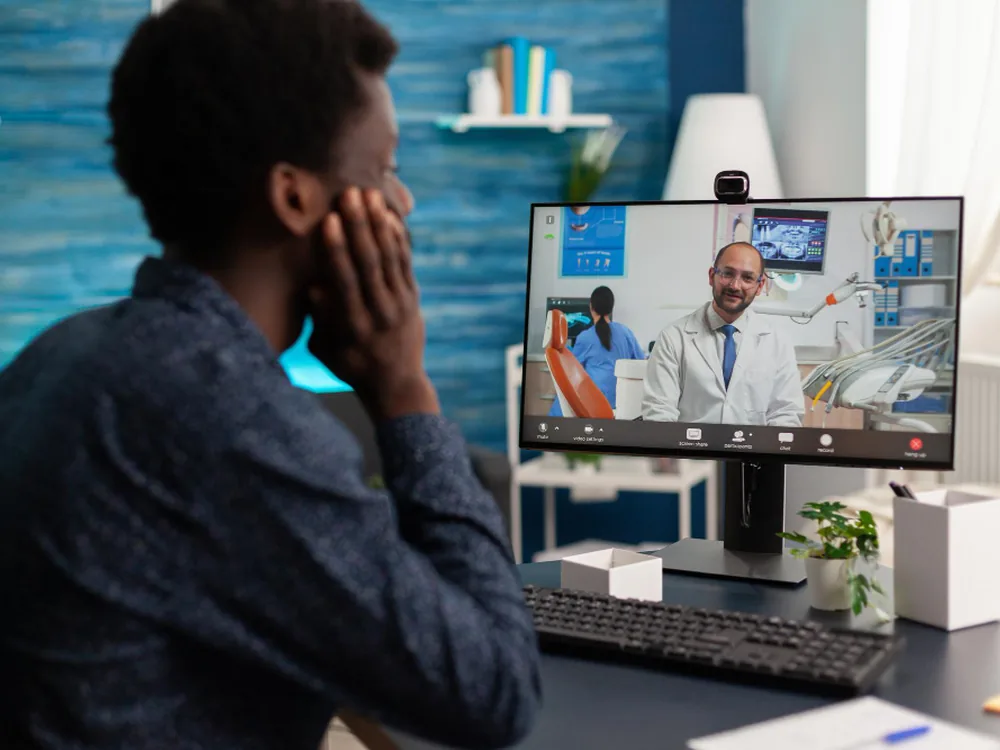
- A marketplace founded and led by physicians
- Verify each listed neurosurgeon's credentials and board certification
- Consultation price shown before you book
- Choose any listed neurosurgeon, with no network limits
- No referral needed, including for second opinions
- Book a consultation online in minutes
- HIPAA-compliant platform for sharing imaging and records
- Many neurosurgeons offer virtual visits to review MRI results
Know when to get care
When should you see a neurosurgeon?
Most people reach a neurosurgeon after a scan, a diagnosis, or a recommendation for surgery. You do not need to be certain you want an operation to book a consultation. These are common reasons people come in.
Symptoms and findings worth a neurosurgical opinion
- Arm or leg pain, numbness, or weakness from a pinched nerve that has not improved with conservative care
- Weakness that is getting worse, such as foot drop or a weakening grip
- A brain tumor, cyst, or mass seen on MRI or CT
- An unruptured brain aneurysm or vascular malformation found on imaging
- Trouble walking, hand clumsiness, or balance changes from spinal cord compression in the neck
- Headaches with vision changes or other signs of raised pressure in the skull
Situations where a neurosurgeon adds value
- You have been told you need brain or spine surgery and want a second opinion
- Ongoing problems after a previous spine or brain operation
- Hydrocephalus or a shunt that may not be working well
- Trigeminal neuralgia or other facial nerve pain that medicine no longer controls
- Follow-up after a head or spine injury
- Severe carpal tunnel or ulnar nerve compression being considered for release
Important: Call 911 for sudden weakness or numbness on one side of the body, sudden trouble speaking or seeing, a sudden severe headache with no known cause [5], a head injury followed by confusion, repeated vomiting, or drowsiness, or new loss of bladder or bowel control with numbness in the groin or inner thighs. Cauda equina syndrome, which causes that last group of symptoms, is a surgical emergency [6].
Understand your options
How much does a neurosurgeon cost without insurance?
The cost of a self-pay neurosurgeon visit varies by physician, location, visit format, and the services you need. Apptly Health is designed to show the listed visit fee before you confirm a booking. Do not assume that tests, procedures, or follow-up services are included in that fee.
Questions to ask before booking
- Is this price for a new-patient visit or a follow-up?
- Is this fee for the consultation or second opinion only? Imaging and surgery are priced separately.
- Will a virtual appointment be appropriate for my concern?
- Can the provider supply a Good Faith Estimate for scheduled self-pay care?
- Can I use eligible HSA or FSA funds for the visit?
For scheduled care, patients who are uninsured or choose not to use insurance generally have rights to a Good Faith Estimate under federal rules. Ask about additional services and expected charges in advance.
If you have Medicare or Medicaid: check with the physician's office before you book. Program rules limit when an enrolled physician can accept direct payment for covered services, so whether a self-pay visit is possible depends on the physician and the service.
Your path to care
How Apptly Health works
Getting an expert opinion on your brain or spine should not depend on who your plan lets you see.
-
Step 1
Search by city, ZIP code, or condition.
Find board-certified neurosurgeons near you or available by video.
-
Step 2
Choose your neurosurgeon.
Compare profiles, focus areas, hospital affiliations, and open times.
-
Step 3
See the price before you book.
A clear consultation fee, shown up front, with no claims paperwork.
-
Step 4
Book online and be seen.
Appointment timing depends on real provider availability in your selected location.
Results, prices, and appointment availability depend on participating physicians in your area.
Expertise for your needs
Conditions a neurosurgeon treats
Neurosurgery covers the brain, the spinal cord and spinal column, and the nerves that run through the body. Many of these conditions are first treated without surgery, with an operation reserved for when it clearly helps.
Brain tumors
Brain and other nervous system cancers make up about 1.2% of new cancer cases in the U.S. [1], and many brain tumors are not cancerous at all. A neurosurgeon reviews the imaging, explains whether biopsy, removal, radiation, or watchful waiting fits best, and coordinates with oncology.
Herniated discs and pinched nerves
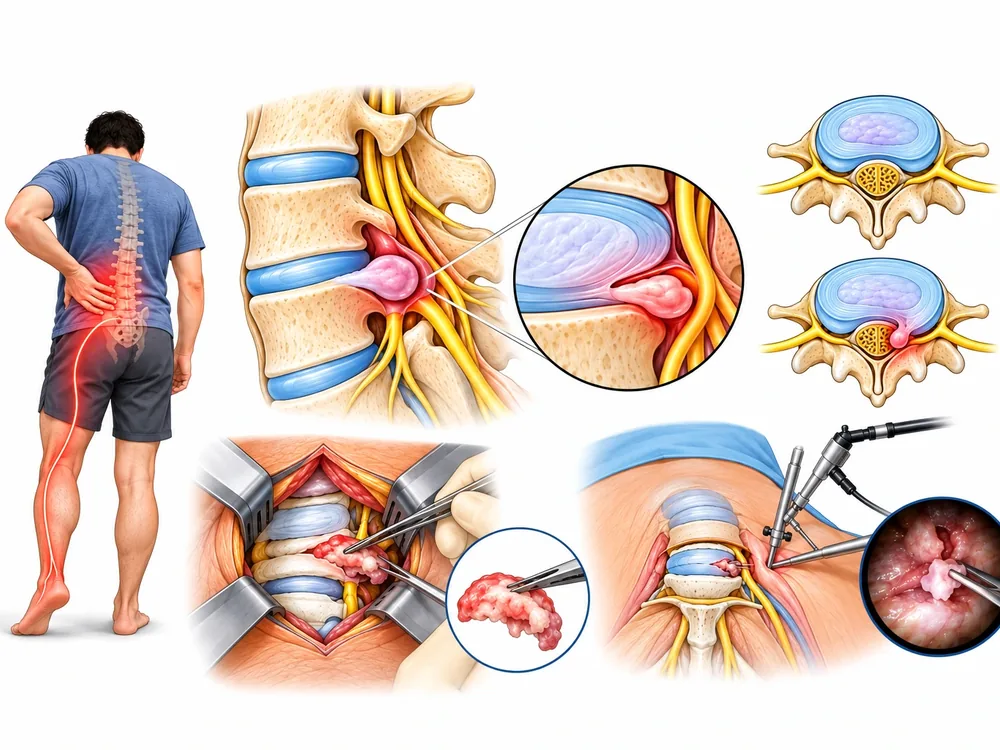
A disc that bulges into a nerve can cause sciatica or arm pain. Most improve without surgery. A neurosurgeon helps decide when weakness, failed conservative care, or severe pain makes decompression surgery worth considering.
Spinal stenosis and myelopathy
Narrowing of the spinal canal can squeeze nerves or the spinal cord itself. Leg pain when walking, or clumsy hands and unsteady gait from a compressed cord in the neck, are reasons for a neurosurgical opinion.
Aneurysms and vascular malformations
Many unruptured aneurysms are found by chance. Size, location, and your health history guide whether a neurosurgeon recommends monitoring, endovascular treatment, or open surgery.
Hydrocephalus
Excess fluid in the brain can cause headaches in younger people, or walking problems, memory changes, and bladder urgency in older adults. A shunt or other procedure may help when the diagnosis is confirmed.
Head and spine injuries
Traumatic brain injury led to about 214,110 hospitalizations in 2020 [2]. Neurosurgeons manage bleeding around the brain, skull fractures, and unstable spine injuries, and follow patients during recovery.
Peripheral nerve problems
Neurosurgeons also treat nerve compression outside the spine, such as carpal tunnel and ulnar nerve entrapment, and nerve injuries or tumors when therapy and splinting are not enough.
Know your options
Common neurosurgical procedures, explained simply
Your neurosurgeon will explain the specific approach for your case. These short descriptions help you follow the conversation.
Microdiscectomy
The surgeon removes the piece of disc pressing on a nerve, usually through a small incision. It is one of the most common spine operations for sciatica that has not improved.
Laminectomy and decompression
Bone or thickened ligament is removed to create more room for the spinal cord or nerves. It is used for spinal stenosis and some cases of myelopathy.
Spinal fusion
Two or more vertebrae are joined so they heal as one bone. Fusion is used for instability, certain fractures, and some deformities. It is a bigger decision than decompression alone, which is a good reason to ask for a second opinion.
Craniotomy
A section of skull is temporarily removed to reach the brain, for example to remove a tumor or treat a bleed. Modern image guidance helps the surgeon plan a precise route.
Shunts and minimally invasive options
Shunts drain extra brain fluid into the abdomen. Endoscopic, endovascular, and stereotactic radiosurgery techniques can treat some conditions through very small openings or none at all.
Before your appointment
What to expect at your first neurosurgery consultation
A first visit with a neurosurgeon is a conversation, not a surgery booking. Many patients leave with a nonsurgical plan.
Review of your history.
Your neurosurgeon asks about symptoms, what treatments you have tried, and how the problem affects your work and daily life.
Focused exam.
Expect checks of strength, reflexes, sensation, walking, and balance to match your symptoms to what the imaging shows.
Imaging review.
Your surgeon looks at the actual MRI or CT images with you, not just the written report, and explains what matters and what does not.
Options and next steps.
You leave knowing whether surgery is recommended, what the alternatives are, the expected recovery, and pricing for any follow-up services discussed.
Bring the actual imaging files (a disc or a portal link), not only the radiology reports, plus a list of medications, especially blood thinners. Also bring notes on prior treatments such as physical therapy, injections, or past surgeries, and a list of questions. Asking a family member to come helps when you are weighing a big decision.
Make an informed choice
How to choose the right neurosurgeon near you
Choosing a surgeon is a personal decision. Look for the right training, honest communication, and a willingness to talk about options that do not involve an operation.
- Confirm board certification. You can verify any physician for free through the American Board of Medical Specialties [7]. Every neurosurgeon on Apptly Health is verified before listing.
- Match focus to need: spine, brain tumor, cerebrovascular, functional, pediatric, or peripheral nerve surgery.
- Ask how often the surgeon performs the procedure being discussed.
- Ask what happens if you choose not to have surgery, and what nonsurgical options remain.
- Check hospital affiliations, since that is where any operation would happen.
- Look at the consultation price before you book. Self-pay patients also have a federal right to a Good Faith Estimate of expected charges for scheduled care, including surgery [8].
- Feel free to get a second opinion. A good surgeon will welcome it.
The evidence
The evidence: why the right neurosurgical opinion matters
Brain and spine problems are common, and the training behind a neurosurgeon is long. These figures come from federal agencies and the specialty's certifying board.
-
7 years
of neurosurgery residency after medical school
Board certification then requires a written exam, a review of practice data, and a final oral exam [3].
-
24,740
estimated new brain and nervous system cancers in 2026
With an estimated 18,350 deaths, about 2.9% of all U.S. cancer deaths [1].
-
214,110
traumatic brain injury hospitalizations in 2020
That is more than 586 TBI-related hospitalizations every day in the United States [2].
-
39.0%
of U.S. adults had back pain in the past 3 months
Based on the 2019 National Health Interview Survey; most back pain never needs surgery [4].
Go deeper
Questions to ask before you agree to surgery
A good surgical decision is a shared one. Bring these questions to your consultation, or to a second opinion visit.
What exactly will the surgery fix?
Ask which symptom the operation targets. Decompression surgery often helps leg or arm pain from a pinched nerve more reliably than it helps back or neck pain alone.
What happens if I wait?
For many spine conditions, waiting and trying more conservative care is reasonable. For others, such as worsening weakness or spinal cord compression, delay can mean lasting damage. Your surgeon should explain which applies to you.
What does recovery look like?
Ask about hospital stay, time off work, driving, lifting limits, and when physical therapy starts. Recovery after a microdiscectomy is very different from recovery after a fusion or brain surgery.
What are the risks for someone like me?
General risks include infection, bleeding, and nerve injury. Ask how your age, health conditions, and medications change those risks, and what the surgeon does to lower them.
Direct access compared
A simpler path to a neurosurgeon
| Consideration | Apptly Health | Traditional route |
|---|---|---|
| Referral | Not required | Often required by your plan |
| Second opinion | Book directly | May need a new referral or approval |
| Scheduling | Varies by live provider availability | Depends on referral processing and network openings |
| Consultation price | Shown before you book | Known after the claim is processed |
| Choice of surgeon | Any listed neurosurgeon | Limited to your network |
Related care
Related specialists you can book
Brain and spine care often involves more than one specialist. These Apptly Health physicians frequently work alongside neurosurgeons.
Helpful answers
Frequently asked questions about seeing a neurosurgeon
Do I need a referral to see a neurosurgeon?
Not on Apptly Health. You can book a consultation or second opinion with a board-certified neurosurgeon directly. If you plan to have surgery covered by insurance, check your plan, because many plans require a referral or prior authorization for specialist visits and procedures.
How much does a neurosurgery consultation cost without insurance?
Each neurosurgeon sets their own consultation price, and it is shown on their Apptly Health profile before you book. Imaging and any surgery are priced separately. As a self-pay patient, you are entitled to a Good Faith Estimate of expected charges for scheduled services, which is especially useful before a planned operation.
Does Apptly Health bill my insurance?
No. Apptly Health is a direct-pay platform. You pay the neurosurgeon's listed fee directly, and Apptly Health does not submit claims to your insurance. Some plans reimburse out-of-network care, so check with your insurer if you plan to request reimbursement.
Can I book a neurosurgeon on Apptly Health if I have Medicare or Medicaid?
Check with the physician's office before you book. Medicare and Medicaid have rules that limit when an enrolled physician can accept direct payment for covered services, so whether a self-pay visit is possible depends on the physician and the service you need.
What is the difference between a neurosurgeon and a neurologist?
A neurologist diagnoses and treats brain, spine, and nerve conditions with medication and other nonsurgical care. A neurosurgeon also diagnoses these conditions but is trained to operate when surgery will help. If you have headaches, seizures, or numbness without a known structural cause, a neurologist is usually the better first stop.
Should I see a neurosurgeon or an orthopedic spine surgeon?
Both neurosurgeons and orthopedic surgeons with spine fellowship training perform many of the same spine operations, such as discectomy, decompression, and fusion. What matters most is the individual surgeon's experience with your specific problem. Neurosurgeons also treat brain and cranial nerve conditions, which orthopedic surgeons do not.
Can I get a second opinion from a neurosurgeon virtually?
Yes. Many neurosurgeons on Apptly Health offer video visits, which work well for reviewing MRI or CT images and discussing whether surgery makes sense. If you have new weakness or the exam could change the recommendation, your neurosurgeon may ask to see you in person.
Does seeing a neurosurgeon mean I will need surgery?
No. Many people who see a neurosurgeon leave with a nonsurgical plan, such as physical therapy, medication, injections, or monitoring with repeat imaging. Surgery is usually recommended when it is likely to help more than other options, or when waiting could cause permanent damage.
How do I know if a neurosurgeon is board-certified?
Every neurosurgeon on Apptly Health is verified as board-certified before their profile goes live. You can also check any physician for free with the American Board of Medical Specialties Certification Matters tool. Neurosurgeons are certified by the American Board of Neurological Surgery after seven years of residency.
What should I bring to my neurosurgery appointment?
Bring the actual MRI or CT images on a disc or through a portal link, the written reports, your medication list including blood thinners, notes on past treatments and surgeries, and your questions. A family member can help you remember details and weigh the options.
When is a brain or spine problem an emergency?
Call 911 for sudden one-sided weakness or numbness, trouble speaking, a sudden severe headache, confusion or repeated vomiting after a head injury, or new loss of bladder or bowel control with numbness in the groin or inner thighs. Do not wait for an appointment.
Can I use HSA or FSA funds for a neurosurgery visit?
In many cases, yes. Physician visits for diagnosis or treatment are generally qualified medical expenses for HSA and FSA accounts, and so is medically necessary surgery. Confirm with your plan administrator before you book.
More questions about booking, payments, or your account? Visit the Apptly Health FAQ page.

For physicians
Are you a neurosurgeon?
Meet direct-pay patients who are actively seeking brain, spine, and nerve consultations and second opinions. Set your own schedule and consultation price, and spend less time on prior authorizations.
Apply to Join the NetworkMedical review and references
Medically reviewed by Dr. Paula Muto
Board-certified vascular surgeon and founder of Apptly Health
This page is for general information and does not replace a consultation with a qualified physician. If you think you are having a medical emergency, call 911. If you are in emotional crisis, call or text 988.