Neurology · Direct-Pay Specialist Care
Find a Board-Certified Neurologist Near You
Search brain and nerve doctors in your area, compare profiles and open times, and see the visit price before you book. No referral needed, in person or by video.
Enter your ZIP code to see neurologists near you, with prices and open times.
- Board-certified neurologists
- No referral required
- Price shown before you book
- In-person and virtual visits
The direct answer
What does a neurologist do?
A neurologist is a physician who diagnoses and treats disorders of the brain, spinal cord, nerves, and muscles without surgery. Common reasons to see one include migraines, seizures, numbness or tingling, tremor, memory changes, dizziness, and recovery after a stroke. Neurologists use a detailed exam, imaging, and nerve or brain wave testing. On Apptly Health you can book one directly, without a referral.
Key facts at a glance
More than 795,000 people in the United States have a stroke each year, about one every 40 seconds [1].
About 3.4 million Americans, including roughly 470,000 children, live with active epilepsy [3].
Migraine or severe headache affects about 20.7% of women and 9.7% of men in the U.S. over a three-month period [4].
Apptly Health lets you book a board-certified neurologist directly, with the price shown before you confirm.
Neurologists you can book now
Neurologists near 07102
Current provider listings are checked when you open this page.
- Checking current provider listings, visit fees and appointment options…
Physician listings, available appointments and visit fees are refreshed when you search. Availability and the final fee are confirmed on the booking page.
Provider availability, prices and appointment times are checked live. Confirm exact visit details when booking.
Why Apptly is different
Neurology care without the gatekeeping
When your head hurts every week or your hands keep going numb, waiting for a referral just adds worry. Apptly Health connects you directly with board-certified neurologists who set their own schedules and publish their own prices.
See how it works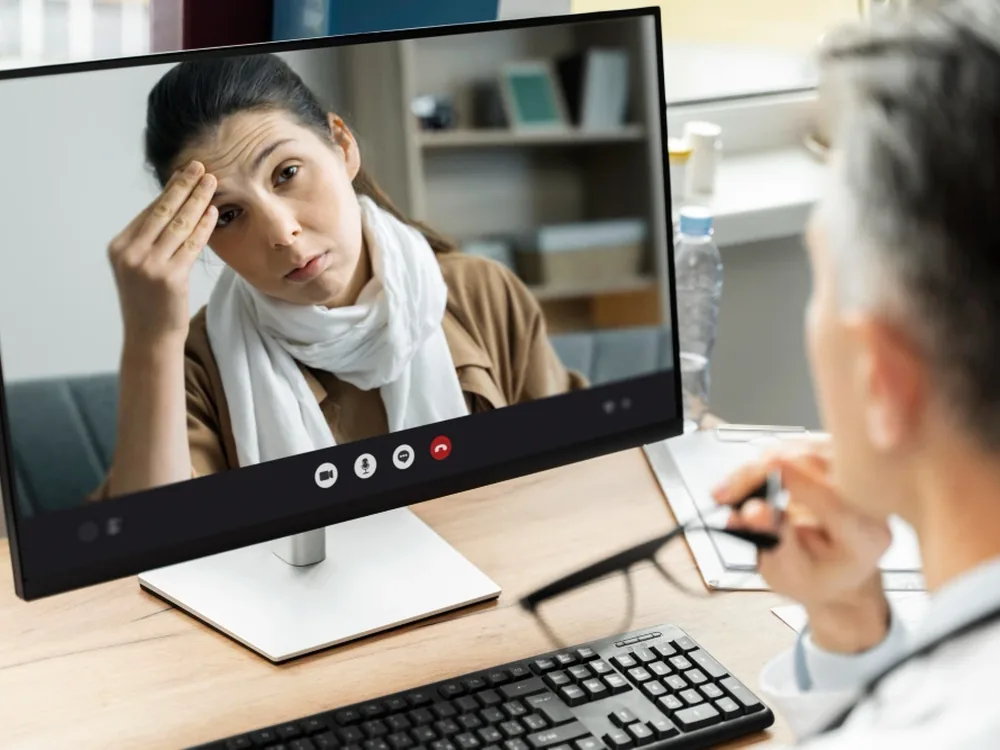
- Built by physicians and led by physicians
- Verify each listed neurologist's credentials and board certification
- Visit price shown before you book
- Choose any listed neurologist, with no network limits
- No referral needed to book
- Online booking that takes minutes
- HIPAA-compliant platform for your records and messages
- Many neurologists offer video visits for follow-ups and results
Know when to get care
When should you see a neurologist?
Some nerve symptoms come and go, which makes them easy to ignore. A neurologist can tell you whether something needs treatment or just watching. Think about booking if any of these sound familiar.
Symptoms worth a neurology evaluation
- Headaches that are frequent, getting worse, or changing in pattern
- Numbness, tingling, burning, or weakness in the hands or feet
- A seizure, a blank staring spell, or an unexplained loss of awareness
- A tremor, stiffness, or slowed movement that affects daily tasks
- Memory loss or confusion that family members have noticed
- Dizziness, vertigo, or balance problems that keep returning
- Muscle twitching, cramping, or weakness that is slowly spreading
Situations where a neurologist adds value
- Follow-up after a stroke or a mini-stroke (TIA)
- Lingering symptoms after a concussion or head injury
- A known condition such as epilepsy, multiple sclerosis, or Parkinson's disease
- Migraine medications that are not working or cause side effects
- An abnormal MRI or CT finding you want explained
- A family history of a neurological disease and questions about your own risk
Important: Call 911 right away for sudden numbness or weakness in the face, arm, or leg (especially on one side), sudden confusion or trouble speaking, sudden trouble seeing, sudden loss of balance, or a sudden severe headache with no known cause. These can be signs of a stroke. Note the time symptoms started and do not drive yourself to the hospital [2]. A first seizure, or a seizure lasting more than five minutes, also needs emergency care.
Understand your options
How much does a neurologist cost without insurance?
The cost of a self-pay neurologist visit varies by physician, location, visit format, and the services you need. Apptly Health is designed to show the listed visit fee before you confirm a booking. Do not assume that tests, procedures, or follow-up services are included in that fee.
Questions to ask before booking
- Is this price for a new-patient visit or a follow-up?
- Does the visit include an EEG, nerve testing, or imaging review, or are those billed separately?
- Will a virtual appointment be appropriate for my concern?
- Can the provider supply a Good Faith Estimate for scheduled self-pay care?
- Can I use eligible HSA or FSA funds for the visit?
For scheduled care, patients who are uninsured or choose not to use insurance generally have rights to a Good Faith Estimate under federal rules. Ask about additional services and expected charges in advance.
If you have Medicare or Medicaid: check with the physician's office before you book. Program rules limit when an enrolled physician can accept direct payment for covered services, so whether a self-pay visit is possible depends on the physician and the service.
Your path to care
How Apptly Health works
Getting in front of a brain and nerve specialist should not take a month of phone calls.
-
Step 1
Search by city, ZIP code, or symptom.
Find board-certified neurologists near you or available by video.
-
Step 2
Choose your neurologist.
Compare profiles, focus areas, languages, and open times.
-
Step 3
See the price before you book.
One clear visit fee, shown up front, with no claims paperwork.
-
Step 4
Book online and be seen.
Appointment timing depends on real provider availability in your selected location.
Results, prices, and appointment availability depend on participating physicians in your area.
Expertise for your needs
Conditions a neurologist treats
Neurology covers the whole nervous system, from the brain down to the nerves in your toes. These are some of the most common reasons people book a neurologist on Apptly Health.
Migraine and other headaches
Migraine is far more than a bad headache. It can bring throbbing pain, nausea, light sensitivity, and visual aura. Roughly 1 in 5 women and 1 in 10 men report migraine or severe headache over a three-month period [4]. A neurologist can confirm the type of headache, spot medication overuse, and build both a rescue plan and a prevention plan.
Seizures and epilepsy
About 1.2% of the U.S. population has active epilepsy [3]. After a first seizure, a neurologist looks for a cause with an EEG and brain imaging, then helps you decide whether treatment is needed. For people with epilepsy, the goal is fewer or no seizures with as few side effects as possible.
Stroke prevention and recovery
About 87% of strokes are ischemic, meaning blood flow to part of the brain is blocked [1]. After the emergency phase, a neurologist works on finding the cause, preventing a second stroke, and managing lasting effects such as weakness, speech changes, or spasticity.
Neuropathy and nerve compression
Burning feet, numb fingers, or weakness can come from diabetes, vitamin deficiencies, pinched nerves, or carpal tunnel syndrome. Nerve conduction studies and EMG help pinpoint where the problem sits and how severe it is.
Movement disorders
Tremor, stiffness, and slowed movement may point to essential tremor, Parkinson's disease, or a medication side effect. A neurologist sorts these apart through a careful exam and tailors treatment to what bothers you most.
Memory, thinking, and dementia
Forgetfulness is common with age, but a steady decline in memory or judgment deserves a proper workup. Neurologists check for treatable causes such as thyroid problems, low B12, or sleep apnea before discussing conditions like Alzheimer's disease.
Multiple sclerosis and autoimmune conditions
Vision loss in one eye, numbness that lasts days, or unexplained fatigue can be early signs of MS. Early diagnosis matters because disease-modifying therapies are available, and a neurologist will discuss which option fits you.
Know your options
Tests a neurologist may order
Neurologists rely heavily on the bedside exam, then use testing to confirm what they suspect. Here is what each common test does, in plain language.
MRI and CT scans
These create detailed pictures of the brain or spine. MRI is better for most nerve and brain tissue questions. CT is faster and often used in emergencies to check for bleeding.
EEG (electroencephalogram)
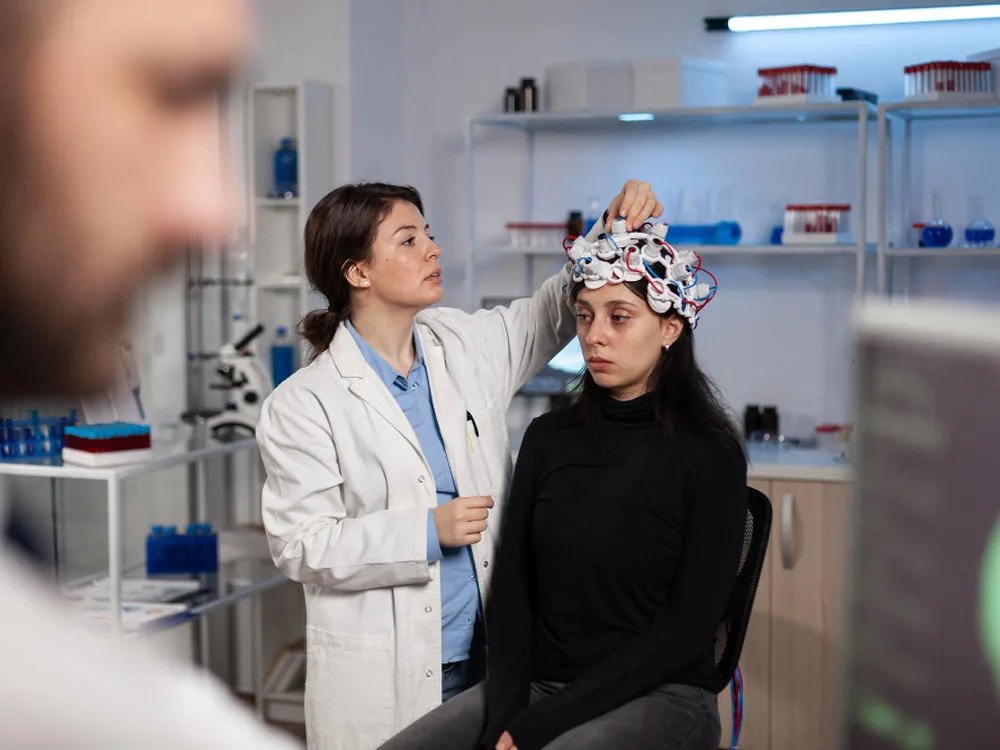
Small sensors on your scalp record the brain's electrical activity. An EEG helps diagnose seizures and is painless. Some are done over several hours or at home.
EMG and nerve conduction studies
These measure how well nerves carry signals and how muscles respond. They help diagnose neuropathy, pinched nerves, and muscle disease. Expect brief tingling or a small needle.
Blood work and lumbar puncture
Blood tests look for vitamin deficiencies, thyroid problems, inflammation, and diabetes. A lumbar puncture, which samples spinal fluid, is only ordered when it will change your diagnosis, such as suspected MS or infection.
Before your appointment
What to expect at your first neurology visit
A first neurology visit is mostly talking and testing reflexes, not needles or machines. Here is the usual flow.
Your story.
Your neurologist asks when symptoms started, how often they happen, what makes them better or worse, and what you have already tried.
Neurological exam.
Expect checks of strength, reflexes, sensation, coordination, walking, eye movements, and memory. It is hands-on but not painful.
Targeted testing.
Based on the exam, your neurologist may order an MRI, EEG, EMG, or blood work. Not everyone needs tests on day one.
A plan you understand.
You leave with a working diagnosis, treatment options, and pricing for any follow-up services discussed.
Bring a list of medications and supplements, any prior MRI or CT reports (and the images on disc or a portal link if you have them), and a symptom diary. For headaches or seizures, note dates, length, triggers, and what happened before and after. A short phone video of a tremor, spell, or unusual movement can be very helpful. If memory is the concern, bring a family member who has noticed the changes.
Make an informed choice
How to choose the right neurologist near you
The right neurologist has training that fits your symptoms, a schedule that works for you, and a style that makes you feel heard. Use this checklist.
- Confirm board certification. You can verify any physician for free through the American Board of Medical Specialties [5]. Every neurologist on Apptly Health is verified before listing.
- Match the focus to your need: headache medicine, epilepsy, movement disorders, neuromuscular disease, MS, stroke, or memory care.
- Ask whether EEG or EMG testing is done in the office or sent elsewhere.
- Check hospital affiliations in case you need imaging or admission later.
- Compare availability, including video visits for follow-ups.
- Look at the price before you book. Self-pay patients also have a federal right to a Good Faith Estimate of expected charges for scheduled care [6].
- Read the profile for languages spoken and how the neurologist involves you in decisions.
The evidence
The evidence: why timely neurology care matters
Neurological conditions are common, and many respond best when treated early. These figures come from federal health agencies and peer-reviewed research.
-
795,000
people in the U.S. have a stroke each year
About 610,000 of these are first strokes, and stroke is a leading cause of serious long-term disability [1].
-
3.4 million
Americans live with active epilepsy
That includes about 3 million adults and 470,000 children, or 1.2% of the U.S. population [3].
-
20.7%
of U.S. women report migraine or severe headache
Compared with 9.7% of men over a three-month period, based on national health surveys [4].
-
214,110
traumatic brain injury hospitalizations in 2020
That is more than 586 TBI-related hospitalizations every day in the United States [7].
Go deeper
Living well with a long-term neurological condition
Many nervous system conditions are managed over years, not cured in one visit. A few habits make that partnership with your neurologist work much better.
Track your symptoms
A simple diary or app that logs headaches, seizures, or tremor days gives your neurologist real data. It shows whether a new treatment is working far better than memory alone.
Protect your sleep
Poor sleep can trigger migraines and seizures and worsens memory. Tell your neurologist about snoring, restless legs, or insomnia, since treating them often helps the main condition.
Plan for safety
People with seizures or balance problems should talk with their neurologist about driving, swimming, working at heights, and fall prevention at home. State driving rules after a seizure vary.
Build your care team
Neurologists often work with physical therapists, rehabilitation physicians, sleep specialists, and neurosurgeons. Your neurologist can help you decide when each one is worth adding.
Direct access compared
A simpler path to a neurologist
| Consideration | Apptly Health | Traditional route |
|---|---|---|
| Referral | Not required | Often required by your plan |
| Scheduling | Varies by live provider availability | Depends on referral processing and network openings |
| Price | Shown before you book | Known after the claim is processed |
| Choice of neurologist | Any listed neurologist | Limited to your network |
| Visit type | In person or virtual | Mostly in person |
Related care
Related specialists you can book
Nerve and brain problems often overlap with sleep, pain, and surgical care. These Apptly Health specialists frequently work alongside neurologists.
Helpful answers
Frequently asked questions about seeing a neurologist
Do I need a referral to see a neurologist?
Not on Apptly Health. You can book a board-certified neurologist directly, without a referral from a primary care physician. If you plan to use insurance somewhere else, check your plan first, because many HMO plans require a referral before they will cover an in-network specialist visit.
How much does a neurologist visit cost without insurance?
Each neurologist sets their own visit price, and it is shown on their Apptly Health profile before you book. Tests such as an MRI, EEG, or EMG are priced separately. As a self-pay patient, you are also entitled to a Good Faith Estimate of expected charges for scheduled services under the No Surprises Act.
Does Apptly Health bill my insurance?
No. Apptly Health is a direct-pay platform. You pay the neurologist's listed fee directly, and Apptly Health does not submit claims to your insurance. Some plans reimburse out-of-network care, so check with your insurer if you plan to request reimbursement.
Can I book a neurologist on Apptly Health if I have Medicare or Medicaid?
Check with the physician's office before you book. Medicare and Medicaid have rules that limit when an enrolled physician can accept direct payment for covered services, so whether a self-pay visit is possible depends on the physician and the service you need.
What is the difference between a neurologist and a neurosurgeon?
A neurologist diagnoses and treats brain, spine, and nerve conditions with medication, testing, and other nonsurgical care. A neurosurgeon is a surgeon who operates on the brain, spine, and nerves. Most people with headaches, seizures, numbness, or memory problems should start with a neurologist, who will refer you to a neurosurgeon if surgery might help.
Can I see a neurologist virtually?
Yes. Many neurologists on Apptly Health offer video visits. They work well for migraine follow-ups, reviewing MRI or EEG results, and adjusting medications. A first visit for numbness, weakness, or tremor often needs an in-person exam, since reflexes and strength are hard to check on camera. Your neurologist will tell you which fits.
When should I see a neurologist for headaches?
Book a neurologist if headaches happen several days a month, are getting more frequent, wake you from sleep, change in pattern after age 50, or come with numbness or vision changes that last. A sudden, severe headache that feels like the worst of your life is an emergency, so call 911 instead of booking.
How do I know if a neurologist is board-certified?
Every neurologist listed on Apptly Health is verified as board-certified before their profile goes live. You can also confirm any physician's certification for free using the American Board of Medical Specialties Certification Matters tool. Neurologists are certified through the American Board of Psychiatry and Neurology.
What should I bring to my first neurology appointment?
Bring your medication list, prior imaging reports and images, recent lab results, and a symptom diary with dates and details. A phone video of a spell, tremor, or unusual movement can help a great deal. If memory is the concern, bring someone who knows you well and has noticed the changes.
Is numbness or tingling a reason to see a neurologist?
Often, yes. Ongoing numbness or tingling in the hands or feet can come from nerve damage, a pinched nerve, diabetes, or a vitamin deficiency, and a neurologist can find the cause. Sudden numbness on one side of the body is different. That can be a stroke, so call 911 right away.
What should I do if someone has a seizure?
Keep the person safe, turn them on their side, and do not put anything in their mouth. Time the seizure. Call 911 if it lasts longer than five minutes, if it is their first seizure, if they are injured, pregnant, or do not wake up afterward. Then book a neurologist for follow-up care.
Can I use HSA or FSA funds for a neurology visit?
In many cases, yes. Visits to a physician for diagnosis or treatment are generally qualified medical expenses for HSA and FSA accounts. Confirm with your plan administrator before you book, and keep your receipt from Apptly Health for your records.
More questions about booking, payments, or your account? Visit the Apptly Health FAQ page.
For physicians
Are you a neurologist?
Reach direct-pay patients who are actively looking for headache, seizure, nerve, and memory care. Set your own schedule and price, and spend more of your day on patients instead of paperwork.
Apply to Join the NetworkMedical review and references
Medically reviewed by Dr. Paula Muto
Board-certified vascular surgeon and founder of Apptly Health
This page is for general information and does not replace a consultation with a qualified physician. If you think you are having a medical emergency, call 911. If you are in emotional crisis, call or text 988.