Oral Surgery · Direct-Pay Specialist Care
Find a Licensed Oral Surgeon Near You
Book a consultation for wisdom teeth, surgical extractions, dental implants, or jaw problems. Compare oral and maxillofacial surgeons and see the consultation price before you book.
Enter your ZIP code to see oral surgeons near you, with prices and open times.
- Licensed oral surgeons, verified before listing
- No referral required
- Consultation price shown before you book
- Virtual consults where offered
The direct answer
What does an oral surgeon do?
An oral and maxillofacial surgeon is a dental specialist trained in surgery of the mouth, jaws, and face. After dental school, oral surgeons complete a hospital-based surgical residency. They remove impacted wisdom teeth, perform difficult extractions, place dental implants and bone grafts, treat jaw and facial injuries, correct jaw alignment, and evaluate suspicious growths in the mouth. Most also provide sedation and anesthesia in the office.
Key facts at a glance
The American Association of Oral and Maxillofacial Surgeons advises deciding whether to remove or monitor wisdom teeth before the middle of your 20s, because surgery gets harder with age [1].
About 42.2% of U.S. adults 30 and older have periodontitis [5], and gum disease is the most common cause of tooth loss in adults [6].
An estimated 59,660 Americans were diagnosed with oral cancer in 2025 [4].
Apptly Health lets you book an oral surgeon consultation directly, with the price shown before you confirm.
Oral Surgeons you can book now
Oral Surgeons near 07102
Current provider listings are checked when you open this page.
- Checking current provider listings, visit fees and appointment options…
Physician listings, available appointments and visit fees are refreshed when you search. Availability and the final fee are confirmed on the booking page.
Provider availability, prices and appointment times are checked live. Confirm exact visit details when booking.
Why Apptly is different
Oral surgery care without the gatekeeping
Your dentist may have said a tooth needs to come out, or you may be tired of a throbbing wisdom tooth. Either way, you should not have to wait weeks for a referral letter. Apptly Health lets you go straight to an oral surgeon and see the consultation fee up front.
See how it works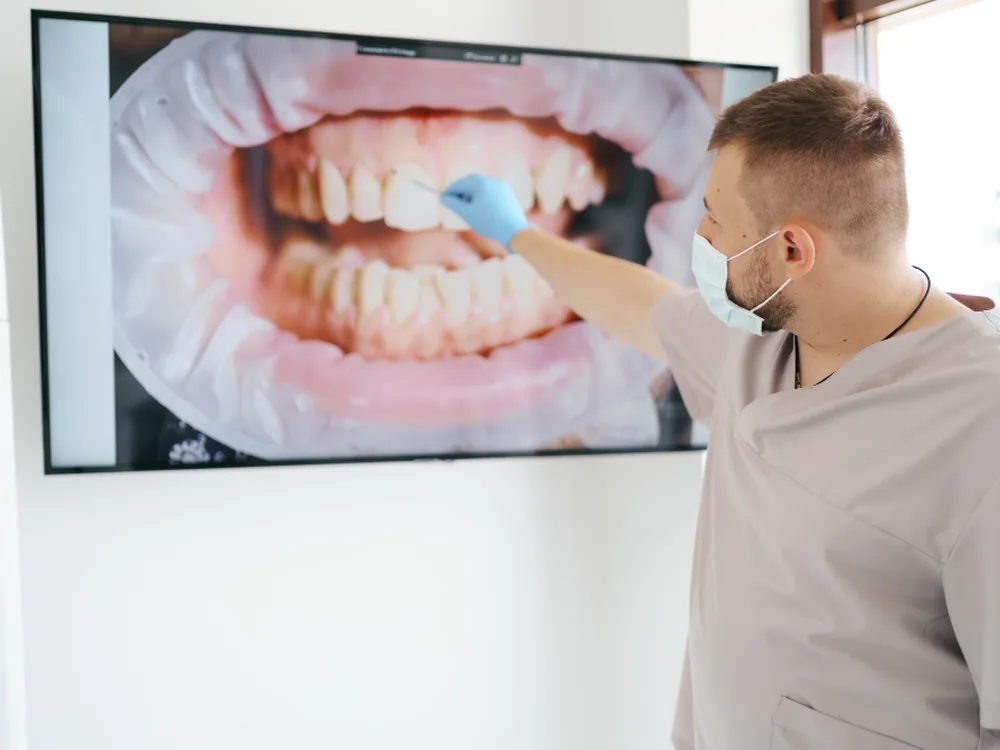
- Physician-founded and physician-led marketplace
- Verify each listed oral surgeon's credentials and license
- Consultation price shown before you book
- No dental or medical plan network limits on who you can see
- No referral from a dentist required
- Book a consultation online in minutes
- HIPAA-compliant platform for your X-rays and records
- Some oral surgeons offer virtual consults to review your X-rays and options
Know when to get care
When should you see an oral surgeon?
Many people meet an oral surgeon after their dentist spots something on an X-ray. You can also book directly if you notice any of the following.
Symptoms that point to an oral surgery visit
- Pain, swelling, or tender gums at the back of the mouth
- A wisdom tooth that has only partly come through, or keeps getting infected
- A broken tooth at or below the gumline that cannot be repaired
- Jaw pain, clicking, or trouble opening your mouth fully
- A sore, lump, or white or red patch in the mouth lasting more than two weeks
- Numbness in the lip or chin, or a swelling in the jaw with no clear cause
Situations where an oral surgeon is often the right specialist
- Your teen or young adult needs a wisdom tooth evaluation [1]
- You are missing one or more teeth and want to learn about implants
- Your dentist says a tooth needs a surgical extraction or a bone graft
- Your bite or jaw position causes chewing, speech, or breathing problems
- You have had a facial injury, such as a broken jaw or cheekbone
- You need dental work under sedation because of anxiety or medical needs
Important: Go to an emergency room or call 911 for swelling in the face, jaw, or neck that is spreading quickly, swelling with fever, trouble swallowing or breathing, bleeding that will not stop with firm pressure, or a suspected broken jaw after an injury [7]. These need emergency care, not a booked consultation.
Understand your options
How much does an oral surgeon cost without insurance?
The cost of a self-pay oral surgeon visit varies by physician, location, visit format, and the services you need. Apptly Health is designed to show the listed visit fee before you confirm a booking. Do not assume that tests, procedures, or follow-up services are included in that fee.
Questions to ask before booking
- Is this price for a new-patient visit or a follow-up?
- Is this fee for the consultation only? Extractions, implants, and anesthesia are usually priced separately.
- Will a virtual appointment be appropriate for my concern?
- Can the provider supply a Good Faith Estimate for scheduled self-pay care?
- Can I use eligible HSA or FSA funds for the visit?
For scheduled care, patients who are uninsured or choose not to use insurance generally have rights to a Good Faith Estimate under federal rules. Ask about additional services and expected charges in advance.
If you have Medicare or Medicaid: check with the physician's office before you book. Program rules limit when an enrolled physician can accept direct payment for covered services, so whether a self-pay visit is possible depends on the physician and the service.
Your path to care
How Apptly Health works
Booking an oral surgery consultation should be quick and clear.
-
Step 1
Search by city, ZIP code, or procedure.
Find licensed oral surgeons near you for wisdom teeth, implants, or jaw care.
-
Step 2
Compare oral surgeons.
Review profiles, procedures offered, anesthesia options, and open times.
-
Step 3
See the price before you book.
The consultation fee is shown up front.
-
Step 4
Book online and get your plan.
Appointment timing depends on real provider availability in your selected location.
Results, prices, and appointment availability depend on participating physicians in your area.
Expertise for your needs
Conditions an oral surgeon treats
Oral and maxillofacial surgery covers much more than wisdom teeth. These are the most common reasons people book.
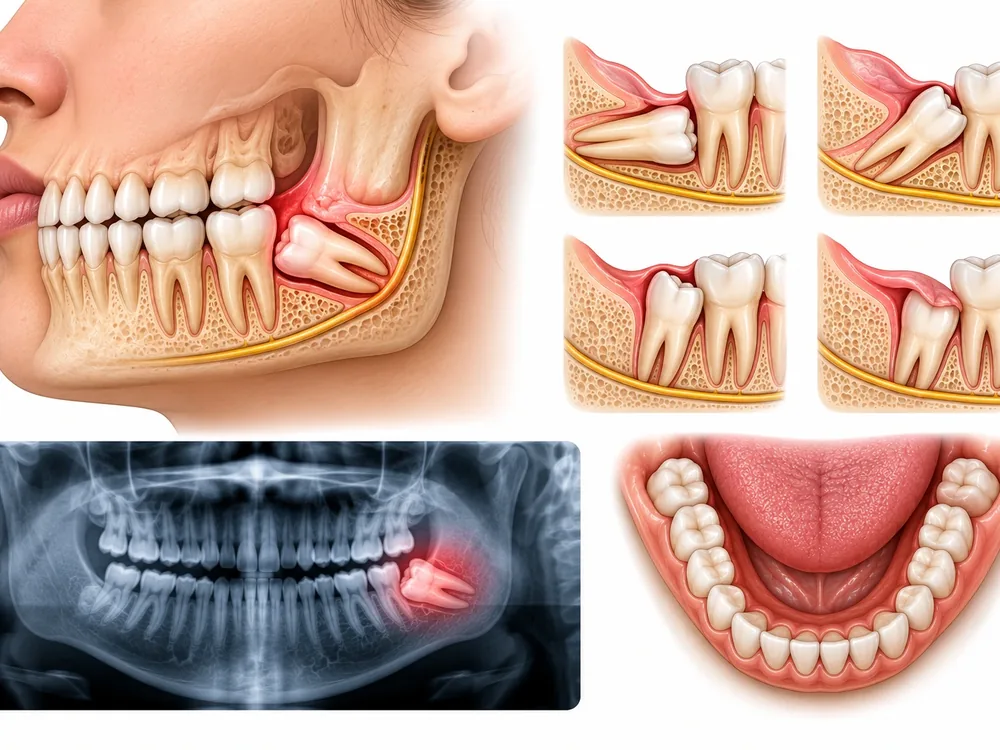
Impacted and problem wisdom teeth
Wisdom teeth often lack room to come in straight. They can trap food, cause infection, damage nearby teeth, or form cysts. When wisdom teeth are healthy and cause no problems, the AAOMS supports monitoring them with regular exams and X-rays instead of removing them [1].
Difficult and surgical extractions
Teeth that are broken at the gumline, have curved roots, or sit close to nerves or the sinus are best removed by a surgeon. Oral surgeons can also preserve the bone at the time of extraction to keep the option of an implant later.
Missing teeth and dental implants
A dental implant is a small post placed in the jawbone that holds a crown, bridge, or denture. Gum disease is the most common cause of adult tooth loss [6], and many people who lose teeth to it later consider implants.
Jaw alignment and TMJ problems
When upper and lower jaws do not line up, chewing, speaking, and even breathing during sleep can suffer. Oral surgeons work with orthodontists on corrective jaw surgery and treat some jaw joint (TMJ) disorders.
Facial injuries
Oral surgeons repair broken jaws, cheekbones, and eye socket bones, as well as cuts inside the mouth and knocked-out teeth after sports or car accidents.
Cysts, tumors, and oral cancer evaluation
Oral surgeons biopsy and remove growths of the mouth and jaw. About 59,660 Americans were diagnosed with oral cancer in 2025 [4]. A sore that does not heal in two weeks deserves a professional look.
Know your options
Oral surgery procedures explained
Your oral surgeon will explain which option fits your mouth, your health, and your goals. Here is what the most common procedures involve.
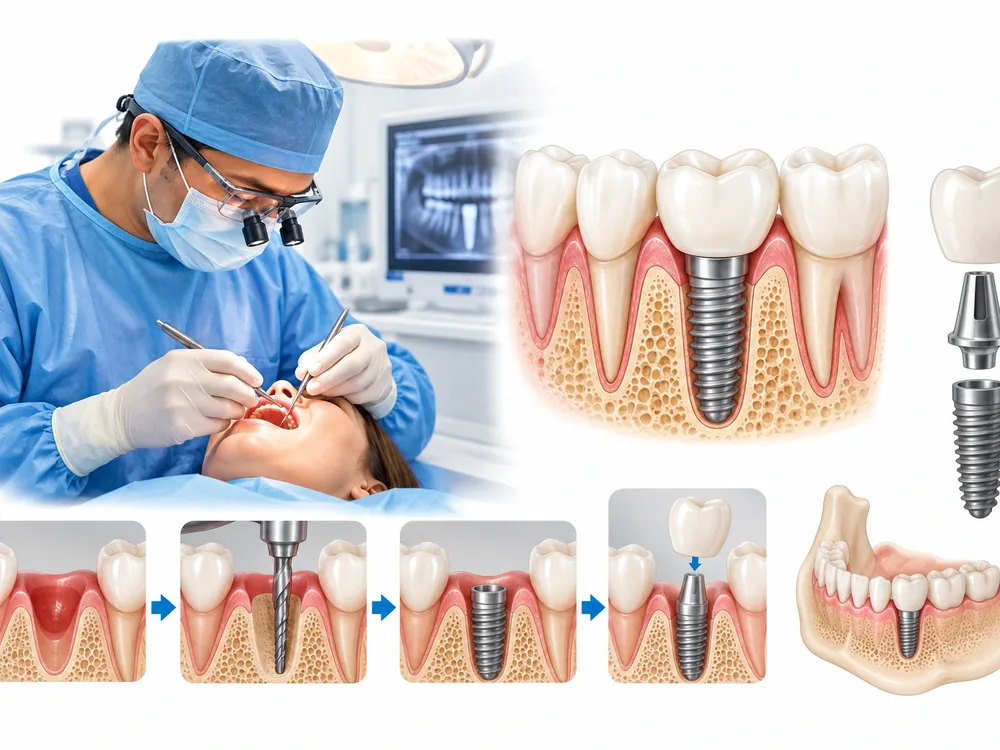
Wisdom tooth removal
Usually an outpatient procedure under local anesthesia, sedation, or general anesthesia. The surgeon may need to make a small opening in the gum or divide the tooth into pieces. Most people go home the same day.
Dental implants and bone grafting
The implant post is placed in the jaw and left to bond with the bone over several months before the final tooth is attached. If the bone is thin, a graft or sinus lift may be needed first.
Corrective jaw surgery
Done in a hospital, often after a period of braces. The surgeon repositions the upper jaw, lower jaw, or both to improve bite, function, and facial balance.
Biopsy
A small sample of tissue is removed and sent to a lab. It is usually quick and done with local anesthesia in the office.
Sedation and anesthesia
Oral surgeons are trained to give several levels of anesthesia, from numbing medicine to IV sedation and general anesthesia. Your surgeon will review your health history and recommend the safest option for you.
Before your appointment
What to expect at your oral surgery consultation
Most first visits are a consultation, not surgery. You leave with answers, a plan, and a price for the procedure.
Health and medication review.
Your surgeon goes over your medical history, medicines, allergies, and past experiences with anesthesia, since these shape what is safe for you.
Exam and imaging.
The surgeon examines your mouth and jaw and reviews X-rays. A panoramic X-ray or 3D cone beam scan may be taken to see nerve and sinus positions.
Options and anesthesia choice.
You talk through whether surgery is needed, the alternatives, likely recovery, and which type of anesthesia fits your health and comfort.
Plan and pricing.
You leave with a written plan, pre-surgery instructions, and the price for the procedure, so you can schedule with confidence.
Bring a photo ID, a full list of medications (especially blood thinners, diabetes medicines, and bone-strengthening drugs), and any recent dental X-rays or scans. If sedation is planned for surgery day, you will need an adult to drive you home and stay with you for a while afterward.
Make an informed choice
How to choose the right oral surgeon near you
Surgery is personal. The right oral surgeon has the training for your procedure, explains risks plainly, and is clear about price. Use this checklist.
- Confirm an active license. Oral surgeons are licensed through their state dental board, and you can look up a license on the board's website. Apptly Health verifies each oral surgeon's license before listing.
- Ask about board certification. The American Board of Oral and Maxillofacial Surgery certifies oral surgeons and offers a public Find a Diplomate search [3]. Certification is voluntary, so ask the surgeon directly if they are not listed.
- Ask how often the surgeon performs your procedure, especially for implants or jaw surgery.
- Ask which anesthesia options are offered in the office and how you will be monitored.
- Look at the price before you book. Self-pay patients also have a federal right to a Good Faith Estimate for scheduled care [8].
- Check who handles the final crown or denture on an implant, and how the surgeon coordinates with your dentist.
The evidence
The evidence: why the right surgeon matters
Oral surgery is specialized care. These figures come from national dental research and the specialty's professional association.
-
9,000+
oral and maxillofacial surgeons are AAOMS members
The American Association of Oral and Maxillofacial Surgeons represents more than 9,000 surgeons [2].
-
77%
of young adults would choose an oral surgeon for wisdom teeth
In a 2022 AAOMS consumer survey, 76% of mothers of teens said the same [2].
-
42.2%
of adults 30 and older have periodontitis
Gum disease is the most common cause of adult tooth loss [6], a common reason people consider implants.
-
59,660
Americans were diagnosed with oral cancer in 2025
About 12,770 people died of the disease that year [4].
Go deeper
Recovering from oral surgery: a typical timeline
Recovery depends on the procedure and on you, so always follow your surgeon's instructions. This is what many people experience after wisdom tooth removal or a simple implant.
The first 24 hours
Bite gently on gauze to control bleeding, rest with your head raised, and use cold packs on your cheeks. Avoid straws, spitting, and smoking, which can dislodge the clot and lead to a painful dry socket. Stick to cool, soft foods.
Days 2 to 3
Swelling and stiffness usually peak around now, then start to ease. Gentle salt water rinses may be recommended. Take pain medicine only as your surgeon directs.
The first week
Most people return to school or desk work within a few days. Slowly add softer solid foods. Call your surgeon if pain gets worse after day three, you develop a fever, or you notice pus or a bad taste.
Weeks to months
Gum tissue closes over a few weeks, while bone fills in over several months. With implants, the post bonds to the jaw over a few months before the final tooth is placed.
Direct access compared
A simpler path to an oral surgeon
| Consideration | Apptly Health | Traditional route |
|---|---|---|
| Referral | Not required | Often a dentist referral first |
| Choosing a surgeon | Any listed oral surgeon | Limited to your plan's network |
| Consultation price | Shown before you book | Often unclear until billing |
| Booking | Online in minutes | Phone calls during office hours |
| First visit | In person, or virtual where offered | In person only |
Related care
Related specialists you can book
Oral surgery often involves a team. These Apptly Health specialists frequently work alongside oral surgeons.
Helpful answers
Oral surgeon FAQs
Do I need a referral to see an oral surgeon?
Not on Apptly Health. You can book a consultation with a licensed oral surgeon directly, without a dentist's referral. It helps to bring recent dental X-rays if you have them. If you plan to use dental or medical insurance elsewhere, check your plan, because some require a referral.
What is the difference between an oral surgeon and a dentist?
A general dentist provides checkups, cleanings, fillings, crowns, and simple extractions. An oral and maxillofacial surgeon is a dental specialist who completes years of hospital surgical training after dental school. They handle impacted wisdom teeth, implants, bone grafts, jaw surgery, and facial injuries, and give deeper sedation and anesthesia.
How much does an oral surgery consultation cost without insurance?
Each oral surgeon sets their own consultation fee, and it is shown on their Apptly Health profile before you book. Imaging, anesthesia, and the procedure itself are priced separately. As a self-pay patient you have the right to a Good Faith Estimate of expected charges before scheduled surgery.
Does Apptly Health bill my insurance?
No. Apptly Health is a direct-pay platform. You pay the oral surgeon's listed fee directly, and Apptly Health does not submit claims to your insurance. Some plans reimburse out-of-network care, so check with your insurer if you plan to request reimbursement.
Can I book an oral surgeon on Apptly Health if I have Medicare or Medicaid?
Check with the physician's office before you book. Medicare and Medicaid have rules that limit when an enrolled physician can accept direct payment for covered services, so whether a self-pay visit is possible depends on the physician and the service you need.
Can I have an oral surgery consultation virtually?
Sometimes. If you already have recent X-rays, some oral surgeons offer video consults to review them, explain your options, and answer questions about recovery and cost. An in-person exam is still needed before surgery, and new imaging may be taken at that visit.
Do all wisdom teeth need to come out?
No. Wisdom teeth that are healthy, fully erupted, and easy to clean may never cause trouble. The AAOMS recommends a decision about removal or monitoring by the mid-20s. Teeth that are kept should be checked with regular exams and X-rays so problems are caught early.
How do I check an oral surgeon's credentials?
Oral surgeons hold a dental license from their state, which you can look up on the state dental board website. Many are also certified by the American Board of Oral and Maxillofacial Surgery, which has a free Find a Diplomate search. Apptly Health verifies each oral surgeon's license before listing.
What should I bring to my oral surgery consultation?
Bring a photo ID, a full list of medications and allergies, recent dental X-rays or scans, and your dentist's contact details. Write down your questions about anesthesia, recovery time, and cost. If you are a parent booking for a teen, plan to attend so you can sign consent forms.
How long does wisdom tooth recovery take?
Most people feel much better within three to four days and return to normal routines within a week. Swelling often peaks on day two or three. Full healing of the gums takes a few weeks and the bone a few months. Call your surgeon for worsening pain, fever, or bleeding that will not stop.
When is jaw or face swelling an emergency?
Swelling that spreads quickly, swelling with fever, or any trouble breathing or swallowing needs emergency care right away. Call 911 or go to an emergency room. The same goes for a suspected broken jaw after an injury or bleeding that will not stop with firm pressure.
Can I use HSA or FSA funds for oral surgery?
In many cases, yes. Wisdom tooth removal, extractions, dental implants, and jaw surgery done to treat a medical or dental problem are generally qualified medical expenses. Purely cosmetic procedures usually are not. Confirm with your plan administrator before you book.
More questions about booking, payments, or your account? Visit the Apptly Health FAQ page.

For physicians
Are you an oral surgeon?
Reach direct-pay patients who are actively looking for wisdom tooth, implant, and jaw care, set your own schedule and consultation fees, and spend less time on plan paperwork.
Apply to Join the NetworkMedical review and references
Medically reviewed by Dr. Paula Muto
Board-certified vascular surgeon and founder of Apptly Health
This page is for general information and does not replace a consultation with a qualified physician. If you think you are having a medical emergency, call 911. If you are in emotional crisis, call or text 988.