Plastic and Reconstructive Surgery · Direct-Pay Specialist Care
Find a Board-Certified Plastic Surgeon Near You
Book a consultation for breast reconstruction, skin cancer repair, scar revision, or cosmetic surgery. Check credentials, see the consultation price first, and skip the referral.
Enter your ZIP code to see plastic surgeons near you, with prices and open times.
- Board-certified plastic surgeons
- No referral required
- Price shown before you book
- In-person and virtual consultations
The direct answer
What does a plastic surgeon do?
A plastic surgeon is a physician who repairs, reconstructs, or reshapes the skin, face, breasts, hands, and body to restore function and appearance. Reconstructive work includes breast reconstruction after cancer, skin cancer repair, cleft lip and palate, burns, and injuries. Cosmetic work includes facelifts, eyelid surgery, breast surgery, and body contouring. Board certification requires at least six years of surgical training.
Key facts at a glance
Board-certified plastic surgeons complete at least six years of integrated plastic surgery training, or five years of general surgery plus a three-year plastic surgery fellowship [6].
An estimated 321,910 women will be diagnosed with breast cancer in 2026, and many will consider reconstruction [1].
About 112,000 new cases of melanoma are expected in 2026, and removing skin cancers on the face or hands can call for reconstructive repair [2].
Apptly Health lets you book a board-certified plastic surgeon directly, with the consultation price shown before you confirm.
Plastic Surgeons you can book now
Plastic Surgeons near 07102
Current provider listings are checked when you open this page.
- Checking current provider listings, visit fees and appointment options…
Physician listings, available appointments and visit fees are refreshed when you search. Availability and the final fee are confirmed on the booking page.
Provider availability, prices and appointment times are checked live. Confirm exact visit details when booking.
Why Apptly is different
Plastic surgery consultations without the gatekeeping
Whether you are planning reconstruction after cancer or thinking about a cosmetic procedure, the most important step is talking with the right surgeon. Apptly Health lets you check credentials, compare surgeons, and book a consultation at a price you see up front.
See how it works
- Physician-founded and physician-led marketplace
- Verify each listed plastic surgeon's credentials and board certification
- The consultation price is shown before you book
- No referral needed for reconstructive or cosmetic consultations
- Choose any listed plastic surgeon, with no network limits
- Book online in minutes
- HIPAA-compliant platform for private questions and photos
- Many plastic surgeons offer virtual consultations to start the conversation
Know when to get care
When should you see a plastic surgeon?
People come to plastic surgeons for very different reasons, from rebuilding after an illness or injury to changing something that has bothered them for years. Both are valid reasons to book a consultation.
Reconstructive reasons
- You are planning a mastectomy or have had one and want to learn about breast reconstruction
- You need repair after skin cancer removal on the face, nose, ears, or hands
- You have a scar that is tight, raised, painful, or limits movement
- Your child was born with a cleft lip, cleft palate, or ear difference
- You have a wound that will not heal, or need repair after a burn or injury
- You have neck, back, or shoulder pain linked to very large breasts
Cosmetic reasons
- Loose skin after major weight loss or pregnancy
- Droopy eyelids, facial aging, or nose shape you want to change
- Breast size or shape you want to change, or implants that need review
- Areas of stubborn fat that have not responded to diet and exercise
- Questions about whether a nonsurgical treatment could give a similar result
Important: Go to the emergency room or call 911 for a deep or gaping cut on the face or hand, a burn that is large, deep, or on the face, hands, feet, or genitals, or numbness or loss of movement in a finger after an injury. After any surgery, call 911 for chest pain, sudden shortness of breath, or a swollen, painful calf, which can be signs of a blood clot.
Understand your options
How much does a plastic surgeon cost without insurance?
The cost of a self-pay plastic surgeon visit varies by physician, location, visit format, and the services you need. Apptly Health is designed to show the listed visit fee before you confirm a booking. Do not assume that tests, procedures, or follow-up services are included in that fee.
Questions to ask before booking
- Is this price for a new-patient visit or a follow-up?
- Is this fee for the consultation only? Surgery, anesthesia, and facility fees are usually quoted separately.
- Will a virtual appointment be appropriate for my concern?
- Can the provider supply a Good Faith Estimate for scheduled self-pay care?
- Can I use eligible HSA or FSA funds for the visit?
For scheduled care, patients who are uninsured or choose not to use insurance generally have rights to a Good Faith Estimate under federal rules. Ask about additional services and expected charges in advance.
If you have Medicare or Medicaid: check with the physician's office before you book. Program rules limit when an enrolled physician can accept direct payment for covered services, so whether a self-pay visit is possible depends on the physician and the service.
Your path to care
How Apptly Health works
Starting the conversation with a plastic surgeon should be easy and private.
-
Step 1
Search by city, ZIP code, or procedure.
Find board-certified plastic surgeons near you or available by video.
-
Step 2
Compare surgeons.
Review board certification, focus areas, languages, and open consultation times.
-
Step 3
See the price first.
The consultation fee is shown before you book.
-
Step 4
Book your consultation.
Appointment timing depends on real provider availability in your selected location.
Results, prices, and appointment availability depend on participating physicians in your area.
Expertise for your needs
Reconstructive surgery: what plastic surgeons repair
Reconstructive plastic surgery restores form and function after cancer, injury, illness, or a condition present at birth. It covers the skin, face and skull, breast, hands, trunk, and limbs [6].
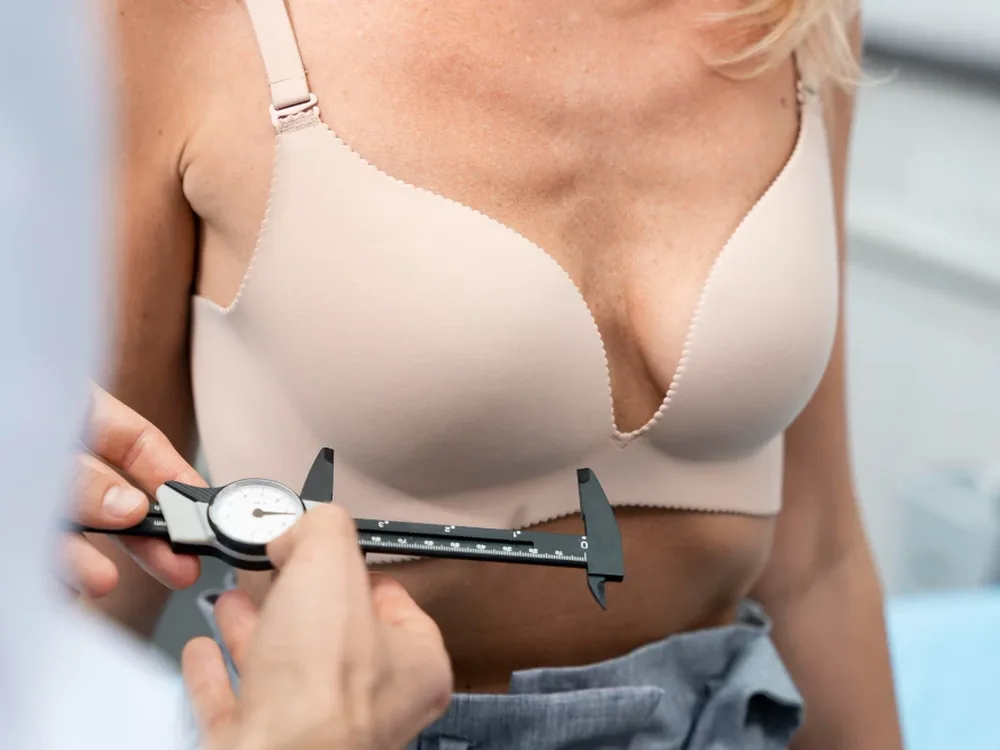
Breast reconstruction
Reconstruction can happen at the same time as a mastectomy or later. With implants, a tissue expander often goes in first and the permanent implant follows after about 1 to 3 months [3]. Other options use your own tissue from the belly, back, or thighs. It helps to meet a plastic surgeon before your mastectomy so your options stay open.
Skin cancer and Mohs reconstruction
When a skin cancer is removed from a visible or delicate area such as the nose, eyelid, lip, or ear, a plastic surgeon can close the wound with flaps or grafts that blend with surrounding skin and protect function.
Cleft lip and palate and craniofacial care
Cleft lip repair is often done when a baby is between 2 and 9 months old, and the palate is usually closed during the first year to support speech [4]. Parents can expect a team approach with speech, dental, and hearing specialists over time.
Hand surgery
Some plastic surgeons hold an added certificate in surgery of the hand and treat injuries, carpal tunnel, trigger finger, and arthritis of the hand and wrist [5].
Burns, scars, and wounds
Plastic surgeons release tight burn scars, revise raised or widened scars, and close chronic wounds with grafts or flaps when dressings alone are not enough.
Breast reduction
Very large breasts can cause chronic neck, back, and shoulder pain, skin irritation, and grooves from bra straps. Reduction removes tissue and reshapes the breast to relieve these symptoms.
Know your options
Cosmetic surgery: what a plastic surgeon can offer
Cosmetic surgery is considered a core part of plastic surgery training [5]. A good consultation focuses on what you want to change, what is realistic, and whether surgery is the right tool at all.
Face and neck
Facelift, neck lift, eyelid surgery, nose reshaping, and ear surgery. Your surgeon will explain how long results typically last and how to protect them.
Breast
Augmentation, lift, reduction, and implant removal or exchange. Breast implants are not lifetime devices, so ask about follow-up and long-term costs.
Body contouring
Tummy tuck, liposuction, arm and thigh lifts, and procedures after major weight loss. Surgeons usually want your weight stable for several months first.
Nonsurgical treatments
Many plastic surgeons also offer injectables, fillers, and skin treatments. A dermatologist is another strong option for skin-focused, nonsurgical care.
Before your appointment
What to expect at your plastic surgery consultation
A consultation is a two-way conversation. You should leave understanding your options, not feeling pressured into a decision.
Your goals and history.
Your surgeon asks what you want to change or restore, and reviews your health, medications, smoking status, and past surgeries.
Exam and photos.
The surgeon examines the area of concern and may take medical photos with your consent to plan and track results.
Options and trade-offs.
You discuss surgical and nonsurgical options, likely results, scars, recovery time, and risks, including what happens if you need a revision.
A written plan and pricing.
If you move forward, you receive the proposed procedure, where it will be done, the recovery plan, and expected costs.
Bring your medication and supplement list, any relevant medical records such as pathology reports or mastectomy plans, and implant cards if you have implants. Photos showing the look you hope for can help, as long as you are open to hearing what is realistic for your body.
Make an informed choice
How to choose the right plastic surgeon near you
Credentials matter more in plastic surgery than almost anywhere else, because many titles sound alike. Use this checklist.
- Confirm board certification by the American Board of Plastic Surgery. You can verify any physician for free through the American Board of Medical Specialties [7]. Every plastic surgeon on Apptly Health is verified before listing.
- Be careful with the title cosmetic surgeon. It is not an ABMS specialty, so ask exactly which board certified the surgeon.
- Ask how often the surgeon performs your procedure and to see before-and-after photos of real patients.
- Confirm the procedure will be done in an accredited facility, and ask who provides anesthesia.
- Ask what revisions cost and who covers them if they are needed.
- See the consultation price before you book. Self-pay patients also have a federal right to a Good Faith Estimate of expected charges for scheduled care [8].
- Choose someone who listens, explains limits honestly, and never pressures you to book surgery on the spot.
The evidence
The evidence: who needs reconstructive care
Plastic surgery is about far more than appearance. These figures from the National Cancer Institute and the American College of Surgeons show the scale of reconstructive need and the depth of training behind board certification.
-
321,910
new breast cancer diagnoses expected in U.S. women in 2026
About 13.0% of women will be diagnosed with breast cancer during their lifetime [1].
-
4.2 million
women in the U.S. were living with breast cancer in 2023
The 5-year relative survival rate is 91.9%, so many survivors face long-term reconstruction decisions [1].
-
112,000
new melanoma cases expected in the U.S. in 2026
About 77% are found at the localized stage, when surgical removal is the main treatment [2].
-
6+ years
of surgical training before plastic surgery board certification
Either six years of integrated plastic surgery training, or five years of general surgery plus at least three years of plastic surgery [6].
Go deeper
Reconstructive or cosmetic: why the difference matters for cost
The same operation can be reconstructive for one person and cosmetic for another. The reason for surgery affects coverage, paperwork, and what you pay.
Reconstructive procedures
Surgery that restores function or repairs damage from cancer, injury, illness, or a condition present at birth is generally considered medically necessary. Breast reconstruction after mastectomy, skin cancer repair, and cleft surgery are common examples. Coverage depends on your plan, so ask your surgeon's office what documentation is needed.
Cosmetic procedures
Surgery done only to change appearance is usually paid out of pocket. Ask for an all-in quote that covers the surgeon's fee, anesthesia, the facility, garments, and follow-up visits, and ask what a revision would cost.
Gray areas
Eyelid surgery for droopy lids that block vision, breast reduction for chronic pain, and removal of loose skin that causes rashes can be reconstructive in some cases. Your surgeon can tell you what evidence, such as a vision test or photos, may be needed.
Recovery planning
Plan time off, help at home, and someone to drive you after surgery. Avoid smoking and nicotine before and after, because it slows healing. Your surgeon will give you a timeline for returning to work and exercise.
Direct access compared
A clearer path to a plastic surgery consultation
| Consideration | Apptly Health | Traditional route |
|---|---|---|
| Referral | Not required for a consultation | Often required for reconstructive care |
| Checking credentials | Board certification verified before listing | Up to you to research |
| Consultation price | Shown before you book | Often only shared by phone |
| Choice of surgeon | Any listed plastic surgeon | Limited to your network |
| Visit type | In person or virtual | Mostly in person |
Related care
Related specialists you can book
Plastic surgeons often work as part of a larger care team. These Apptly Health specialists frequently partner with them.
Helpful answers
Plastic surgery questions people ask most
Do I need a referral to see a plastic surgeon?
Not on Apptly Health. You can book a consultation with a board-certified plastic surgeon directly, for either reconstructive or cosmetic concerns. If you plan to use insurance for a reconstructive procedure, check whether your plan requires a referral or prior approval before surgery.
How much does a plastic surgery consultation cost without insurance?
Each plastic surgeon sets their own consultation price, and it is shown on their Apptly Health profile before you book. Surgery, anesthesia, and facility fees are priced separately. As a self-pay patient you are entitled to a Good Faith Estimate for scheduled services under the No Surprises Act, which helps you compare quotes.
Does Apptly Health bill my insurance?
No. Apptly Health is a direct-pay platform. You pay the plastic surgeon's listed fee directly, and Apptly Health does not submit claims to your insurance. Some plans reimburse out-of-network care, so check with your insurer if you plan to request reimbursement.
Can I book a plastic surgeon on Apptly Health if I have Medicare or Medicaid?
Check with the physician's office before you book. Medicare and Medicaid have rules that limit when an enrolled physician can accept direct payment for covered services, so whether a self-pay visit is possible depends on the physician and the service you need.
Can I have a virtual plastic surgery consultation?
Yes, as a first step. Many plastic surgeons offer video consultations to discuss your goals, review photos, and explain options. Before any procedure you will need an in-person exam so the surgeon can assess your skin, tissue, and anatomy and finalize a safe plan.
What is the difference between a plastic surgeon and a cosmetic surgeon?
A board-certified plastic surgeon has completed at least six years of surgical training covering both reconstructive and cosmetic surgery and is certified by the American Board of Plastic Surgery, an ABMS member board. Cosmetic surgeon is not an ABMS specialty, and doctors using that title may have trained in other fields. Always ask which board certified your surgeon.
Should I see a plastic surgeon or a dermatologist?
See a dermatologist first for skin conditions, skin checks, and many nonsurgical cosmetic treatments such as injectables and lasers. See a plastic surgeon when you need surgery to reshape tissue, repair a defect, reconstruct after cancer, or remove loose skin. The two often work together after skin cancer removal.
How do I check if a plastic surgeon is board-certified?
Every plastic surgeon on Apptly Health is verified as board-certified before their profile goes live. You can also confirm any physician's certification for free through the American Board of Medical Specialties verification tool. Look specifically for the American Board of Plastic Surgery.
What should I bring to my plastic surgery consultation?
Bring your medication and supplement list, relevant records such as pathology reports or cancer treatment plans, implant cards if you have implants, and a list of questions about results, scars, recovery, and revisions. Photos of the look you hope for can help guide the conversation.
When should I talk to a plastic surgeon about breast reconstruction?
Ideally before your mastectomy. Reconstruction can be done at the same time as the mastectomy or later, and meeting a plastic surgeon early keeps every option open. If you have already had a mastectomy, it is not too late. Delayed reconstruction is common and can be done years later.
When is a cut or burn an emergency?
Go to the emergency room for a deep, gaping, or heavily bleeding cut, a cut on the face or hand with numbness or loss of movement, an animal bite to the face or hand, or a burn that is large, blistered over a wide area, or on the face, hands, feet, or genitals. Book a plastic surgeon later for scar care.
Can I use HSA or FSA funds for plastic surgery?
Reconstructive procedures that treat a medical problem generally qualify as medical expenses for HSA and FSA accounts. Purely cosmetic procedures usually do not. Consultations to evaluate a medical problem often qualify. Keep your itemized receipt and confirm with your plan administrator before you book.
More questions about booking, payments, or your account? Visit the Apptly Health FAQ page.

For physicians
Are you a plastic surgeon?
Meet patients who are actively looking for reconstructive and cosmetic consultations. Set your own schedule and consultation price, offer virtual first visits, and let your board certification speak for itself.
Apply to Join the NetworkMedical review and references
Medically reviewed by Dr. Paula Muto
Board-certified vascular surgeon and founder of Apptly Health
This page is for general information and does not replace a consultation with a qualified physician. If you think you are having a medical emergency, call 911. If you are in emotional crisis, call or text 988.