Geriatric Care · Direct-Pay Specialist Care
Find a Board-Certified Geriatrician Near You
Search geriatricians in your city, compare profiles and open times, and see one clear price before you book. Care built around the older adult in your life, with no referral needed, in person or by video.
Enter your ZIP code to see geriatricians near you, with prices and open times.
- Board-certified geriatricians
- No referral required
- Price shown before you book
- In-person and virtual visits
The direct answer
What does a geriatrician do?
A geriatrician is a family medicine or internal medicine physician with extra training and board certification in the care of older adults. Geriatricians focus on problems common later in life, such as memory changes, falls, too many medications, and several chronic conditions at once, with the goal of protecting function and independence. You can book one on Apptly Health without a referral.
Key facts at a glance
55.8 million Americans were 65 or older in 2020, 16.8% of the population and a 38.6% increase since 2010 [1].
Over 14 million older adults, about 1 in 4, report falling every year, and falls are the leading cause of injury for adults 65 and older [2].
43.0% of adults 65 and older used five or more prescription drugs in the past 30 days in 2017 to March 2020, up from 33.3% in 2001 to 2004 [3].
On Apptly Health you can book a board-certified geriatrician directly, with the price shown before you confirm.
Geriatricians you can book now
Geriatricians near 07102
Current provider listings are checked when you open this page.
- Checking current provider listings, visit fees and appointment options…
Physician listings, available appointments and visit fees are refreshed when you search. Availability and the final fee are confirmed on the booking page.
Provider availability, prices and appointment times are checked live. Confirm exact visit details when booking.
Why Apptly is different
Geriatric care without the gatekeeping
Getting an older parent to the right doctor can feel like a second job. Apptly Health lets you choose a geriatrician, see the visit price, and book a time that works for the whole family.
See how it works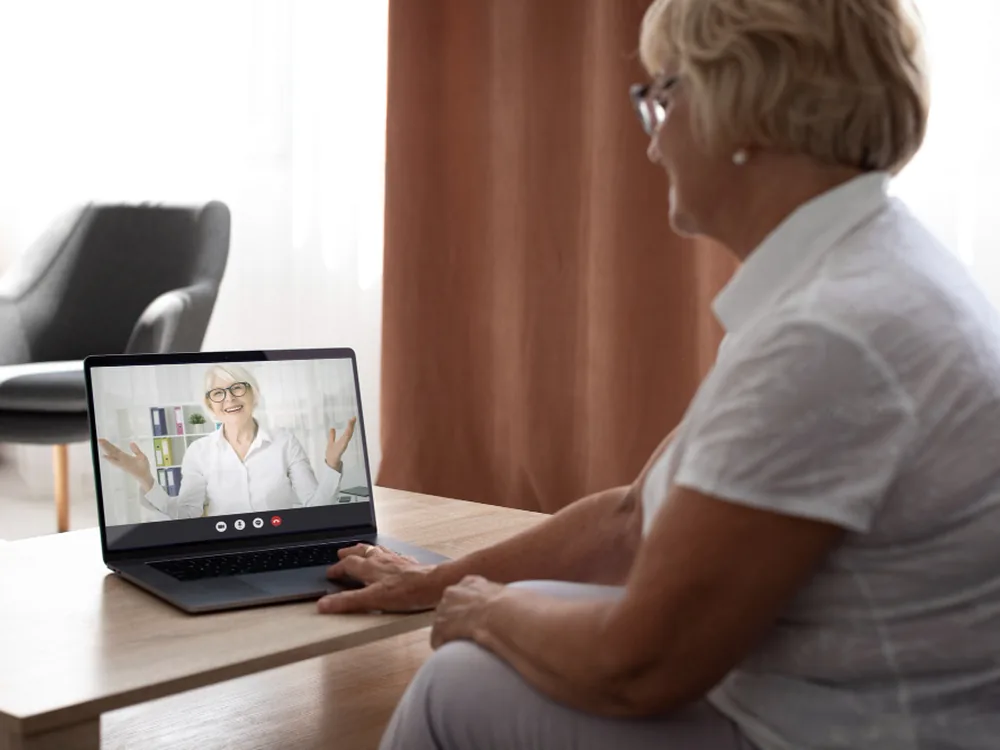
- Physician-founded and physician-led marketplace
- Verify each listed geriatrician's credentials and board certification
- Visit price shown before you book
- Choose any listed geriatrician, with no network limits
- No referral needed
- Book online in minutes, for yourself or a loved one
- HIPAA-compliant platform for health information
- Many geriatricians offer video visits, which can include a family member joining from another city
Know when to get care
When should you see a geriatrician?
Age alone is not the reason. A geriatrician helps most when health has become complicated, or when everyday life is getting harder. Consider a visit if any of these sound familiar.
Changes worth a geriatric evaluation
- Forgetfulness that is new or getting worse, or trouble managing bills or medications
- A fall, a near fall, or a new fear of falling
- Unsteady walking, weakness, or slower movement
- Weight loss, poor appetite, or skipping meals
- Bladder leakage, constipation, or sleep problems that affect daily life
- Low mood, withdrawal from friends, or loss of interest in activities
Situations where a geriatrician adds the most
- Taking many medications prescribed by several different doctors
- Living with three or more chronic conditions, such as heart failure, diabetes, and arthritis
- A recent hospital stay, especially one followed by confusion or decline
- Family members worried about safety at home or driving
- Planning a move to assisted living or arranging help at home
- Wanting help with advance care planning and setting priorities for care
Important: Call 911 for sudden confusion, face drooping, arm or leg weakness on one side, slurred speech, sudden trouble seeing, loss of balance, or a sudden severe headache. These can be signs of stroke, and you should ask for an ambulance rather than driving [4]. A fall with a head injury in someone who takes a blood thinner, or a fall followed by being unable to get up, also needs emergency care.
Understand your options
How much does a geriatrician cost without insurance?
The cost of a self-pay geriatrician visit varies by physician, location, visit format, and the services you need. Apptly Health is designed to show the listed visit fee before you confirm a booking. Do not assume that tests, procedures, or follow-up services are included in that fee.
Questions to ask before booking
- Is this price for a new-patient visit or a follow-up?
- Does the visit include a memory or medication review, or are those priced as separate services?
- Will a virtual appointment be appropriate for my concern?
- Can the provider supply a Good Faith Estimate for scheduled self-pay care?
- Can I use eligible HSA or FSA funds for the visit?
For scheduled care, patients who are uninsured or choose not to use insurance generally have rights to a Good Faith Estimate under federal rules. Ask about additional services and expected charges in advance.
If you have Medicare or Medicaid: check with the physician's office before you book. Program rules limit when an enrolled physician can accept direct payment for covered services, so whether a self-pay visit is possible depends on the physician and the service.
Your path to care
How Apptly Health works
Booking care for yourself or a parent should be simple.
-
Step 1
Search by city, ZIP code, or concern.
Find board-certified geriatricians near you or available by video.
-
Step 2
Choose a geriatrician.
Compare credentials, clinical interests, languages, and open times.
-
Step 3
See the price first.
One clear visit fee is shown before you book, with no claims paperwork.
-
Step 4
Book and be seen.
Appointment timing depends on real provider availability in your selected location.
Results, prices, and appointment availability depend on participating physicians in your area.
Expertise for your needs
Conditions a geriatrician treats
Geriatricians care for the whole person rather than one organ. These are the problems they see most.

Memory loss and dementia
A geriatrician can look for treatable causes of memory change, such as medication effects, thyroid problems, low vitamin B12, depression, or poor sleep, and arrange cognitive testing. If dementia is diagnosed, they help plan care, safety, and support for the family.
Falls and balance problems
With about 1 in 4 older adults falling each year [2], fall prevention is core geriatric care. Your geriatrician reviews medications, checks blood pressure on standing, vision, feet, and strength, and may suggest physical therapy or home changes.
Too many medications
Taking several medicines raises the risk of side effects and interactions. A geriatrician reviews every prescription, over-the-counter drug, and supplement, and may suggest stopping or lowering some, a process called deprescribing.
Multiple chronic conditions
Treatment for one condition can worsen another. Geriatricians weigh the benefits and burdens of each treatment against what matters most to you, such as staying home, staying active, or avoiding hospital stays.
Frailty, weight loss, and weakness
Losing muscle and energy is not simply part of aging. A geriatrician looks for causes, checks nutrition, and builds a plan to keep you strong enough for daily life.
Incontinence, sleep, and mood
Bladder leakage, poor sleep, and depression are common but often go unmentioned. Geriatricians ask about them directly and treat them, because each one affects quality of life and fall risk.
Know your options
Geriatrician or primary care physician: which is right?
Many older adults are well served by their regular primary care physician. A geriatrician becomes especially helpful as health grows more complex.
Stay with primary care if
You are generally healthy, active, and independent, take only a few medications, and have a doctor you trust. A primary care physician can handle screenings, vaccines, and common chronic conditions well.
Add or switch to a geriatrician if
You manage several conditions and medications, have memory or mobility concerns, have had falls or recent hospital stays, or a family member is helping with your care. Many people consider geriatric care in their mid-70s or later, but needs matter more than age.
How geriatricians work with other specialists
A geriatrician can serve as your main doctor or act as a consultant who reviews your care and sends recommendations back to your primary care physician, cardiologist, or neurologist. Ask which model the physician offers.
When urgent care fits instead
For a single short-term problem such as a urinary infection or a minor cut, an urgent care visit can help when your geriatrician has no opening. Share the visit summary so your geriatrician stays informed.
Before your appointment
What to expect at your first geriatric visit
A first geriatric visit is often longer than a typical appointment, and family members are welcome. It usually includes a broad review called a geriatric assessment.
Goals and history.
Your geriatrician asks what matters most to you, then reviews your conditions, hospital stays, and how you manage daily tasks such as bathing, cooking, and finances.
Medication review.
Every pill bottle, inhaler, eye drop, and supplement is reviewed for need, dose, and interactions.
Function and safety checks.
Expect brief tests of memory, mood, walking and balance, vision and hearing, and blood pressure lying and standing.
A shared plan.
You and your family leave with priorities, next steps, any referrals, and pricing for follow-up services discussed.
Bring all medications in their original bottles, including vitamins and over-the-counter products, a list of other doctors, recent hospital discharge papers, and any advance directive or power of attorney documents. Bring glasses and hearing aids. A family member or caregiver who knows the day-to-day picture is very helpful, in person or by video.
Make an informed choice
How to choose the right geriatrician near you
A geriatrician may guide care for years, so fit matters for both the patient and the family. Use this checklist.
- Confirm board certification in geriatric medicine, which is added to certification in family medicine or internal medicine. You can verify any physician for free through the American Board of Medical Specialties [5]. Every geriatrician on Apptly Health is verified before listing.
- Ask whether the geriatrician serves as a main doctor, a consultant, or both.
- Check whether family members can join visits or receive updates with the patient's permission.
- Look for interests that match your needs, such as memory care, fall prevention, or palliative care.
- Consider travel: video visits can reduce trips for follow-ups and medication reviews.
- See the price before you book. Self-pay patients also have a federal right to a Good Faith Estimate of expected charges for scheduled care [6].
- Choose someone who explains things clearly and listens to the patient first, not only to the family.
The evidence
The evidence: why geriatric care matters now
The U.S. population is aging quickly, and older adults face specific risks that geriatric care is designed to address. These figures come from federal agencies.
-
55.8 million
Americans were 65 or older in 2020
That is 16.8% of the population, after the fastest decade of growth since 1880 to 1890 [1].
-
1 in 4
older adults report falling every year
Over 14 million older adults report a fall each year [2].
-
43.0%
of adults 65 and older use five or more prescription drugs
Measured over the past 30 days in 2017 to March 2020, up from 33.3% in 2001 to 2004 [3].
-
21%
rise in the fall death rate among older adults
The age-adjusted rate grew from 64.7 per 100,000 in 2018 to 78.4 per 100,000 in 2024 [2].
Go deeper
Support for caregivers and planning ahead
Geriatric care looks beyond today's symptoms. A geriatrician can help the whole family prepare for what comes next.
Advance care planning
Your geriatrician can talk through what kind of care you would want if you became seriously ill, help you name a health care decision-maker, and explain documents such as an advance directive. Having this talk early spares families hard guesses later.
Safety at home and on the road
Questions about living alone, managing stairs, or continuing to drive are common. A geriatrician can assess function, suggest home safety changes, and recommend a formal driving evaluation when needed.
Caregiver strain
Caring for a parent or spouse is hard work. Geriatricians can point caregivers toward respite options, community services, and support groups, and they pay attention to how the caregiver is coping.
Transitions after a hospital stay
The weeks after a hospital discharge carry real risk. A prompt follow-up visit to reconcile new medications and check for confusion or weakness can help prevent a return trip.
Direct access compared
A simpler path to a geriatrician
| Consideration | Apptly Health | Traditional route |
|---|---|---|
| Referral | Not required | Often requested by the clinic or plan |
| Finding one | Search open times online | Call around to find a geriatrician taking new patients |
| Price | Shown before you book | Known after the claim is processed |
| Choice of geriatrician | Any listed geriatrician | Limited to your network |
| Family involvement | Family can join by video when the patient agrees | Usually in person only |
Related care
Related specialists you can book
Older adults often see several doctors. These Apptly Health specialists frequently work alongside geriatricians.
Helpful answers
Frequently asked questions about seeing a geriatrician
Do I need a referral to see a geriatrician?
Not on Apptly Health. You can book a board-certified geriatrician directly, for yourself or for a family member with their permission. If the patient also uses an insurance plan elsewhere, check its rules, because some plans require a referral from a primary care physician for specialist visits.
How much does a geriatrician visit cost without insurance?
Each geriatrician sets a visit price, which appears on their Apptly Health profile before you book. A first geriatric assessment may be priced differently from a follow-up, and lab work or imaging is separate. Self-pay patients are also entitled to a Good Faith Estimate for scheduled services under the No Surprises Act.
Does Apptly Health bill my insurance?
No. Apptly Health is a direct-pay platform. You pay the geriatrician's listed fee directly, and Apptly Health does not submit claims to your insurance. Some plans reimburse out-of-network care, so check with your insurer if you plan to request reimbursement.
Can I book a geriatrician on Apptly Health if I have Medicare or Medicaid?
Check with the physician's office before you book. Medicare and Medicaid have rules that limit when an enrolled physician can accept direct payment for covered services, so whether a self-pay visit is possible depends on the physician and the service you need.
At what age should someone see a geriatrician?
There is no set age. Many people consider a geriatrician in their mid-70s or later, but the better guide is complexity: several chronic conditions, many medications, memory or mobility concerns, falls, or a recent hospital stay. A healthy, active 80-year-old may do well with primary care alone.
What is the difference between a geriatrician and a primary care physician?
Both provide primary care. A geriatrician is a family medicine or internal medicine physician with additional training and board certification in caring for older adults. They focus on function, memory, falls, medication burden, and goals of care, and they often spend more time coordinating with families and other doctors.
Can a geriatrician see my parent by video?
Yes, for many visits. Many geriatricians on Apptly Health offer video visits that work well for medication reviews, follow-ups, and family meetings, and a relative in another city can join with the patient's permission. A first assessment usually works best in person so the physician can check walking, balance, and vision.
How do I know if a geriatrician is board-certified?
Every geriatrician on Apptly Health is verified as board-certified before listing. You can also check any physician for free through the American Board of Medical Specialties Certification Matters tool. Look for certification in geriatric medicine along with family medicine or internal medicine.
What should we bring to the first geriatric appointment?
Bring every medication in its original bottle, including vitamins and over-the-counter products, a list of other doctors, recent hospital or lab records, and any advance directive or power of attorney papers. Bring glasses and hearing aids. A family member who helps day to day can share details the patient may not mention.
Is sudden confusion in an older adult an emergency?
It can be. Sudden confusion, especially with face drooping, weakness on one side, slurred speech, or vision loss, may signal a stroke, so call 911. Sudden confusion can also come from infection, dehydration, or a medication problem and needs same-day medical attention, not a routine appointment.
Can a geriatrician help with memory loss?
Yes. Geriatricians evaluate memory changes, check for reversible causes such as medication side effects, thyroid disease, low vitamin B12, depression, or sleep problems, and arrange cognitive testing. If dementia is diagnosed, they help with treatment options, safety planning, and support for caregivers, and they refer to a neurologist when needed.
Can I use HSA or FSA funds for a geriatrician visit?
In many cases, yes. Physician visits for diagnosis, treatment, or prevention are generally qualified medical expenses for HSA and FSA accounts. If you are booking for a parent, the account generally must belong to the patient or a qualifying dependent. Confirm with the plan administrator before you book, and keep your receipt.
More questions about booking, payments, or your account? Visit the Apptly Health FAQ page.

For physicians
Are you a geriatrician?
Reach older adults and families who are looking for thoughtful, unhurried care. Set your own schedule and visit price, offer video visits that include family, and spend less time on billing.
Apply to Join the NetworkMedical review and references
Medically reviewed by Dr. Paula Muto
Board-certified vascular surgeon and founder of Apptly Health
This page is for general information and does not replace a consultation with a qualified physician. If you think you are having a medical emergency, call 911. If you are in emotional crisis, call or text 988.